Updated August 2026: This post has been refreshed with current ticket prices, booking links, and important visitor information for the Pantheon, Colosseum, Vatican Museums, and Trevi Fountain.
3 Days in Rome: A Family-Friendly Rome Itinerary
Rome is one of my favorite cities in the world. It’s beautiful, deliciously chaotic, and filled with so much history that you can barely turn a corner without stumbling upon an ancient ruin. It also holds an extra-special place in my heart because my husband and I got engaged there 25 years ago.
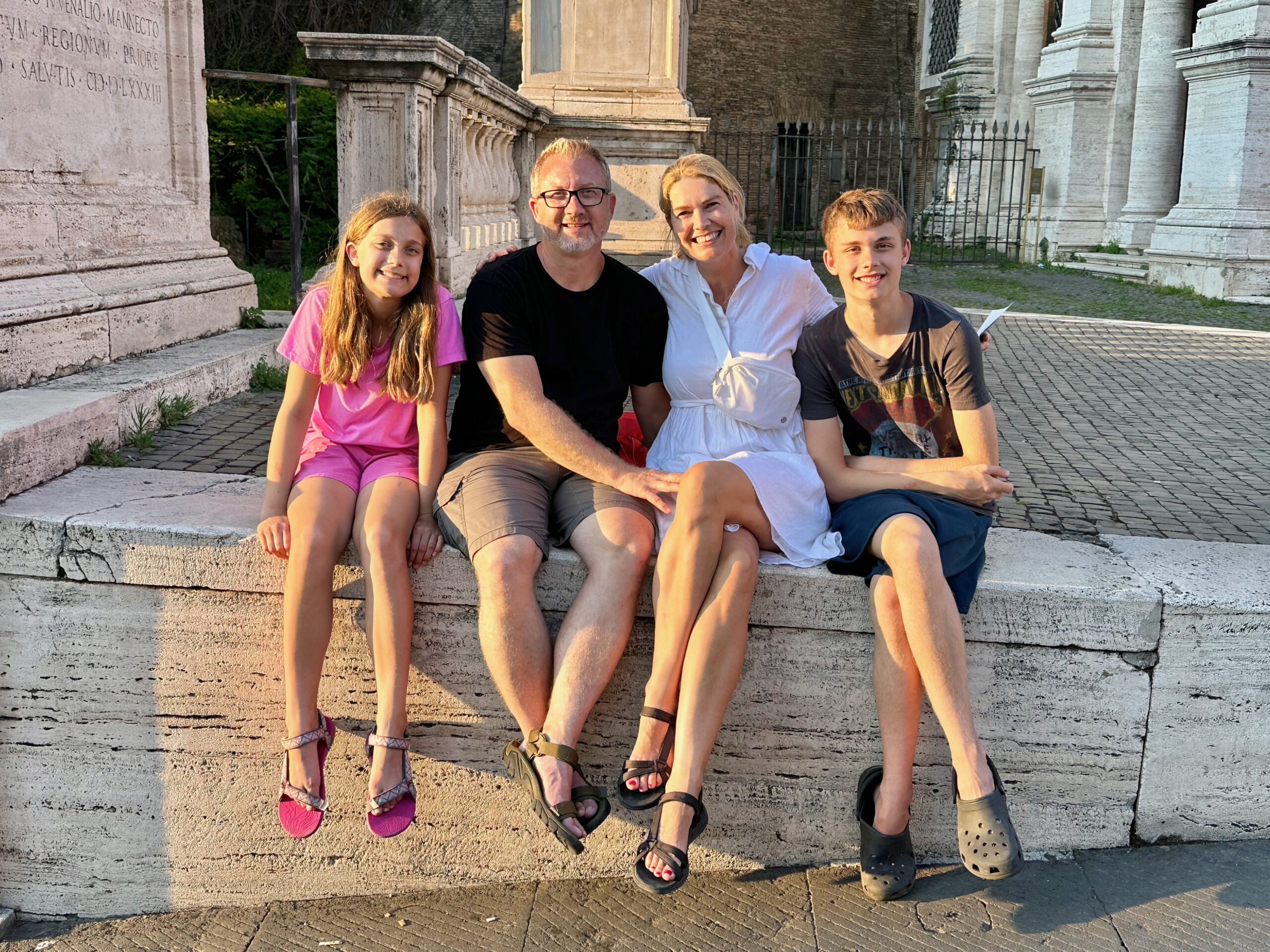
Returning to Rome with our kids felt like introducing them to an important part of our story. Since this was their first visit, we built our three-day Rome itinerary around the city’s most iconic sights, including the Pantheon, Trevi Fountain, Colosseum, Roman Forum, Vatican Museums, and St. Peter’s Basilica.
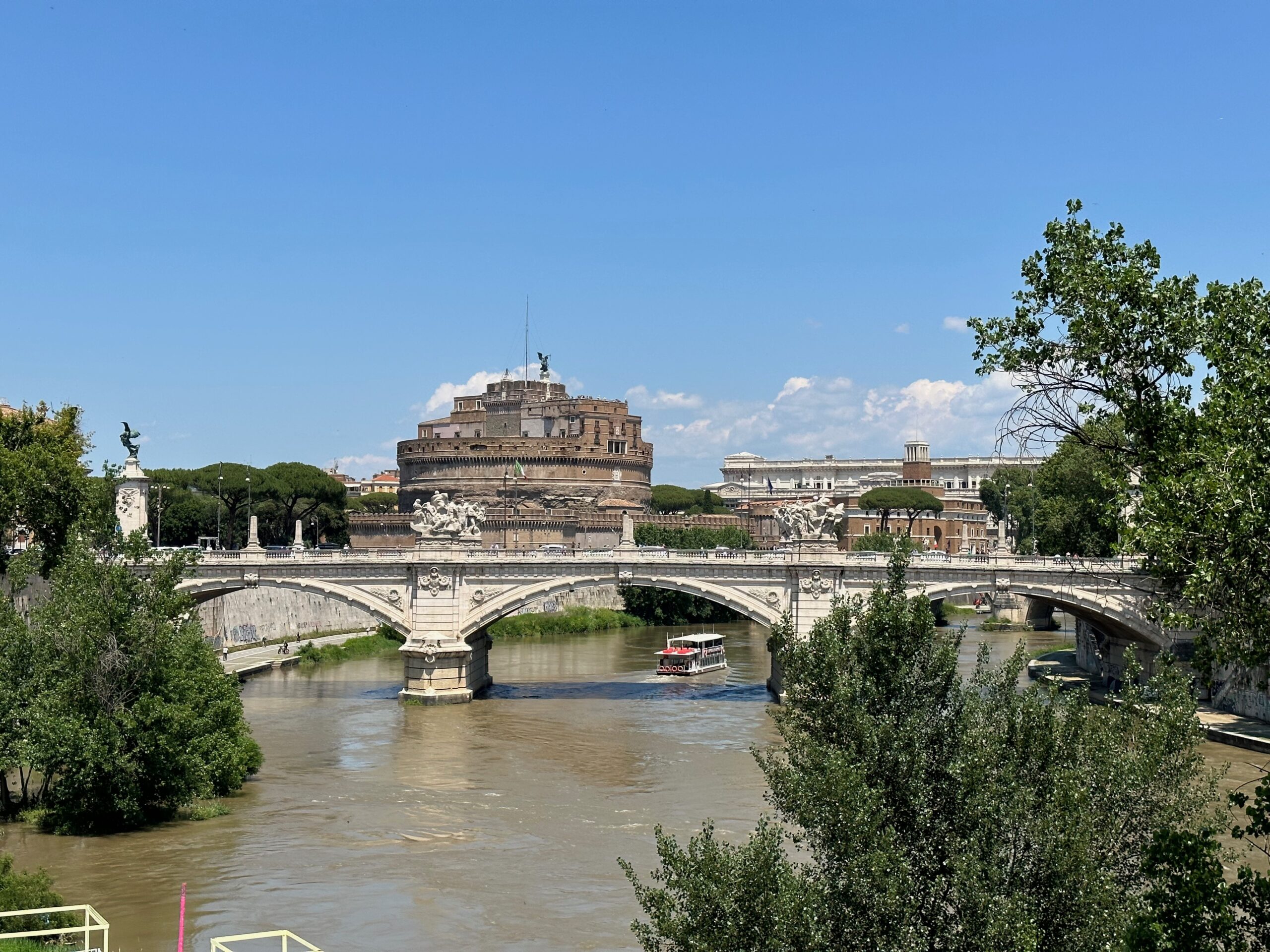
Three days gave us enough time to experience the highlights without feeling rushed. This itinerary worked well for our family with a teen and a tween, but it’s also a great option for couples or anyone visiting Rome for the first time.
And yes, we left plenty of room for pizza, pasta, and more gelato than I care to count.
Where to Stay in Rome
When you only have three days in Rome, location matters. Rome is a very walkable city, and staying somewhere central will save you time and make it easier to return to your room when everyone needs a break.
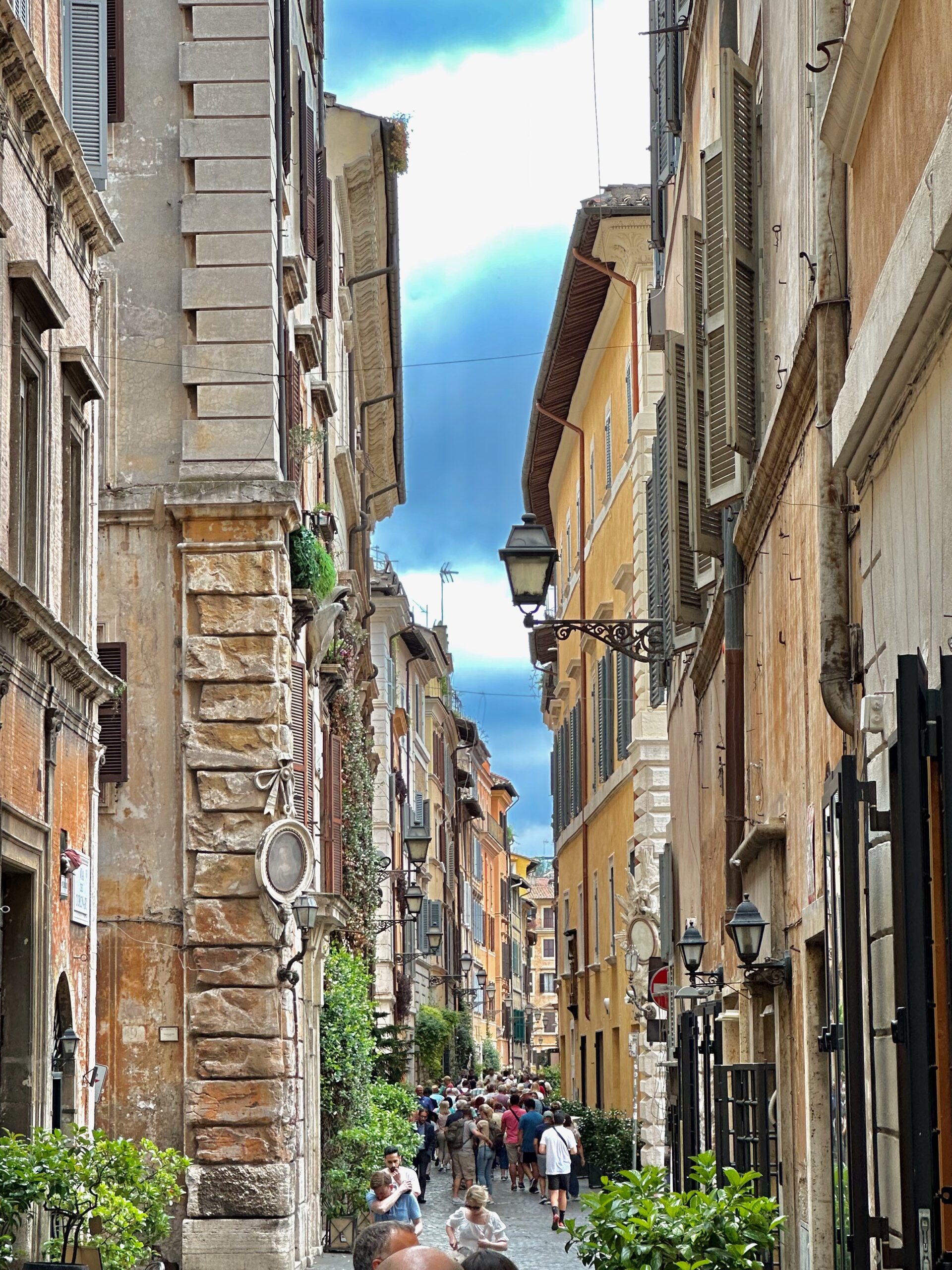
We stayed in a private rental in the Monti neighborhood. Monti was a great choice for our family because it’s close to the Colosseum and filled with cafés, restaurants, and shops. Many of Rome’s best-known attractions were within a 15- to 20-minute walk.
If you want to be even closer to the historic center, consider staying near the Pantheon or Piazza Navona. Both areas put you within walking distance of sights such as the Trevi Fountain and Spanish Steps.
Wherever you stay, check the distance to the attractions on your itinerary before booking. A hotel described as being “in Rome” may still be far from the places you plan to visit.
Getting Around and Booking Rome’s Top Attractions
Rome is best explored on foot, so comfortable shoes are essential. The cobblestone streets are beautiful, but they aren’t always kind to tired legs. We walked to many of the major sights and used taxis or public transportation when we needed a break.
Book the Colosseum and Vatican Museums before your trip, especially during the busy summer months. Colosseum tickets are released through the official ticketing website 30 days before the visit. Buy Vatican Museum tickets only through the Vatican Museums’ official website.
The Pantheon and the area closest to the Trevi Fountain now also require admission tickets. Prices and entry policies can change, so check each attraction’s official website before your trip.
Tip: Rome’s public drinking fountains, known as nasoni, provide fresh, cold water throughout the city. Carry a refillable bottle and top it off as you explore, especially during the summer.
Rome: Day 1
We intentionally kept Day 1 flexible. Our next two days involved timed reservations, so Day 1 gave us a chance to roam Rome and visit attractions that didn’t require a strict schedule.
Most stops on this route are in Rome’s historic center and can be reached on foot.
Pantheon
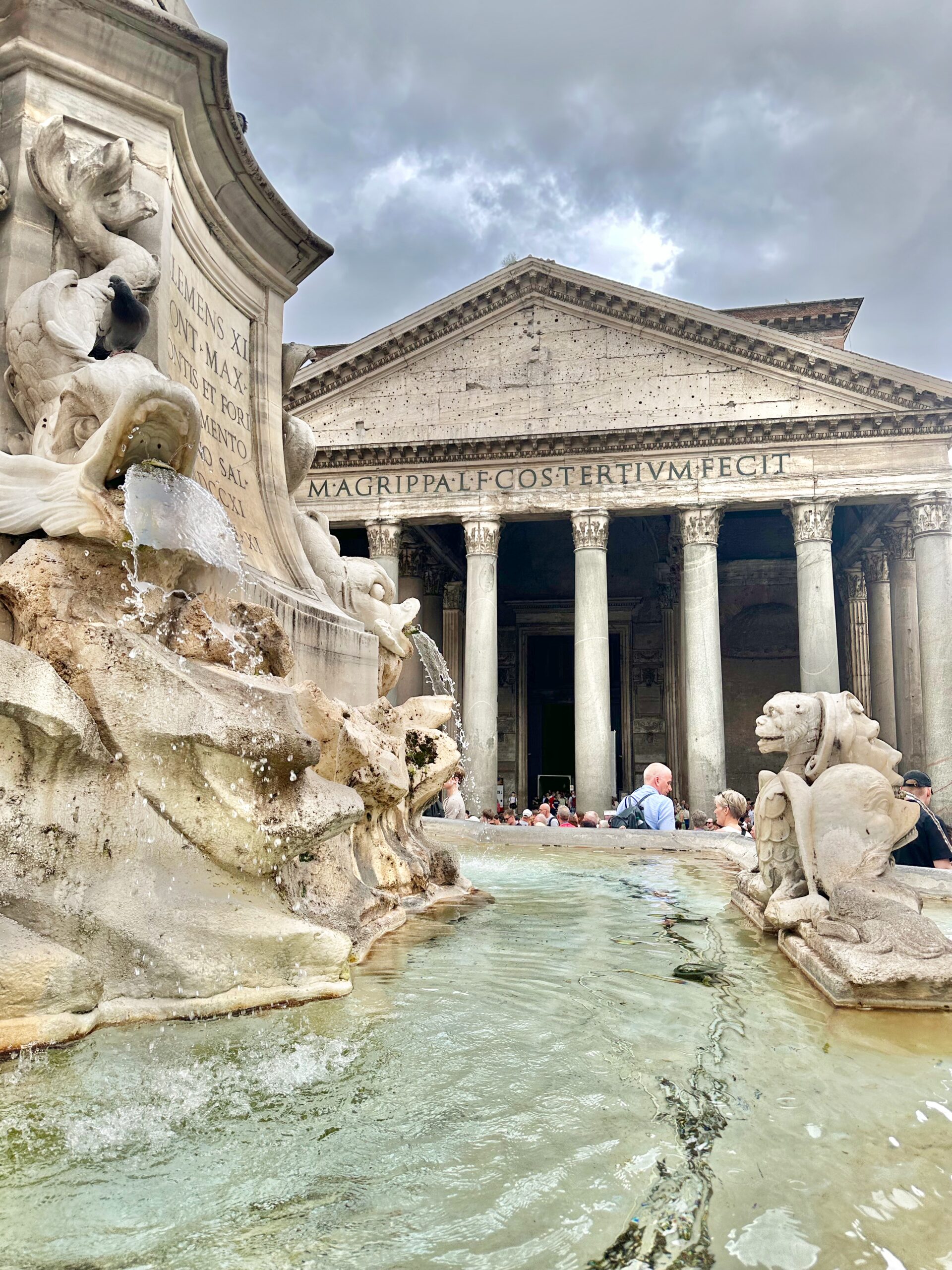
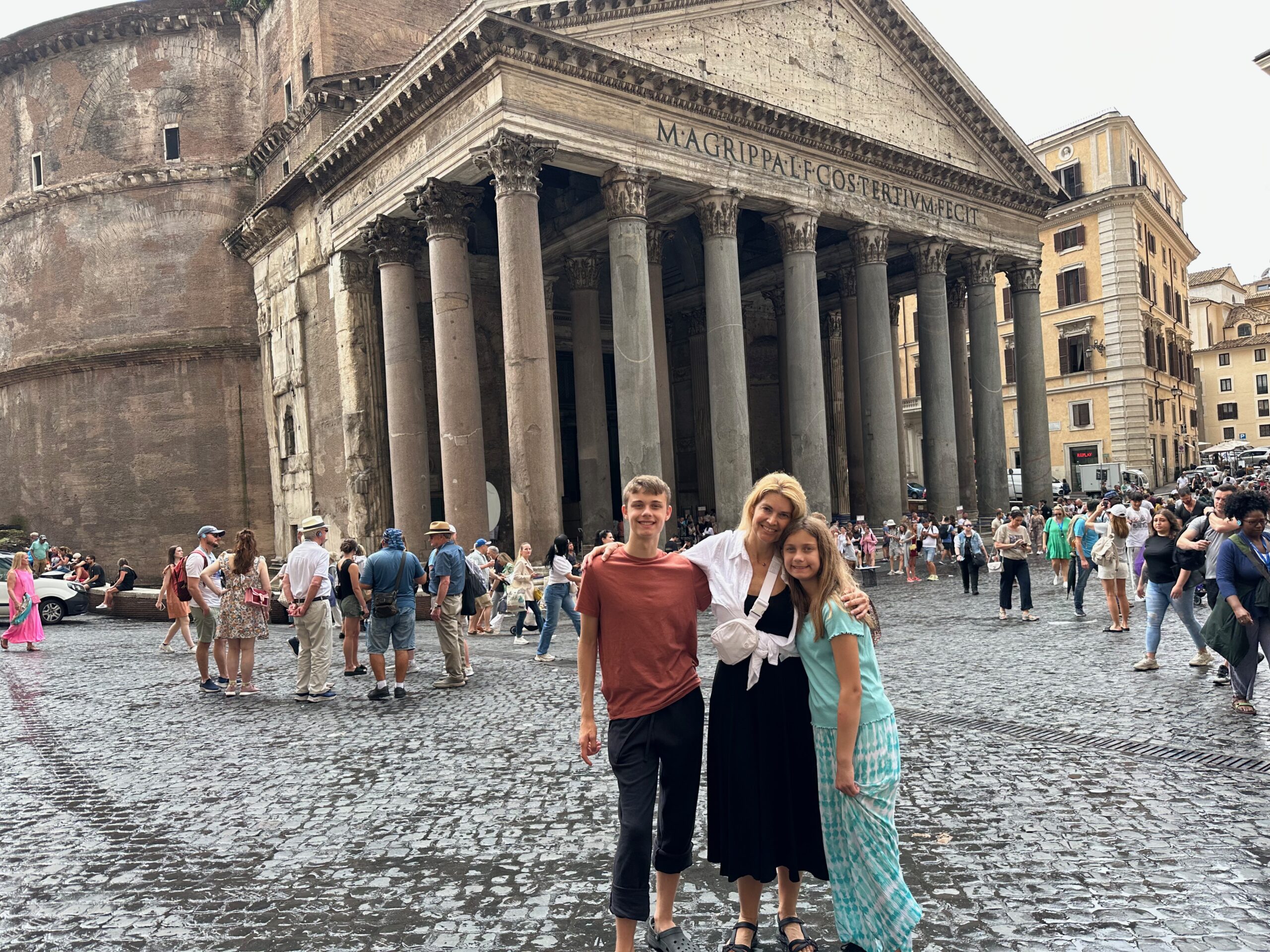
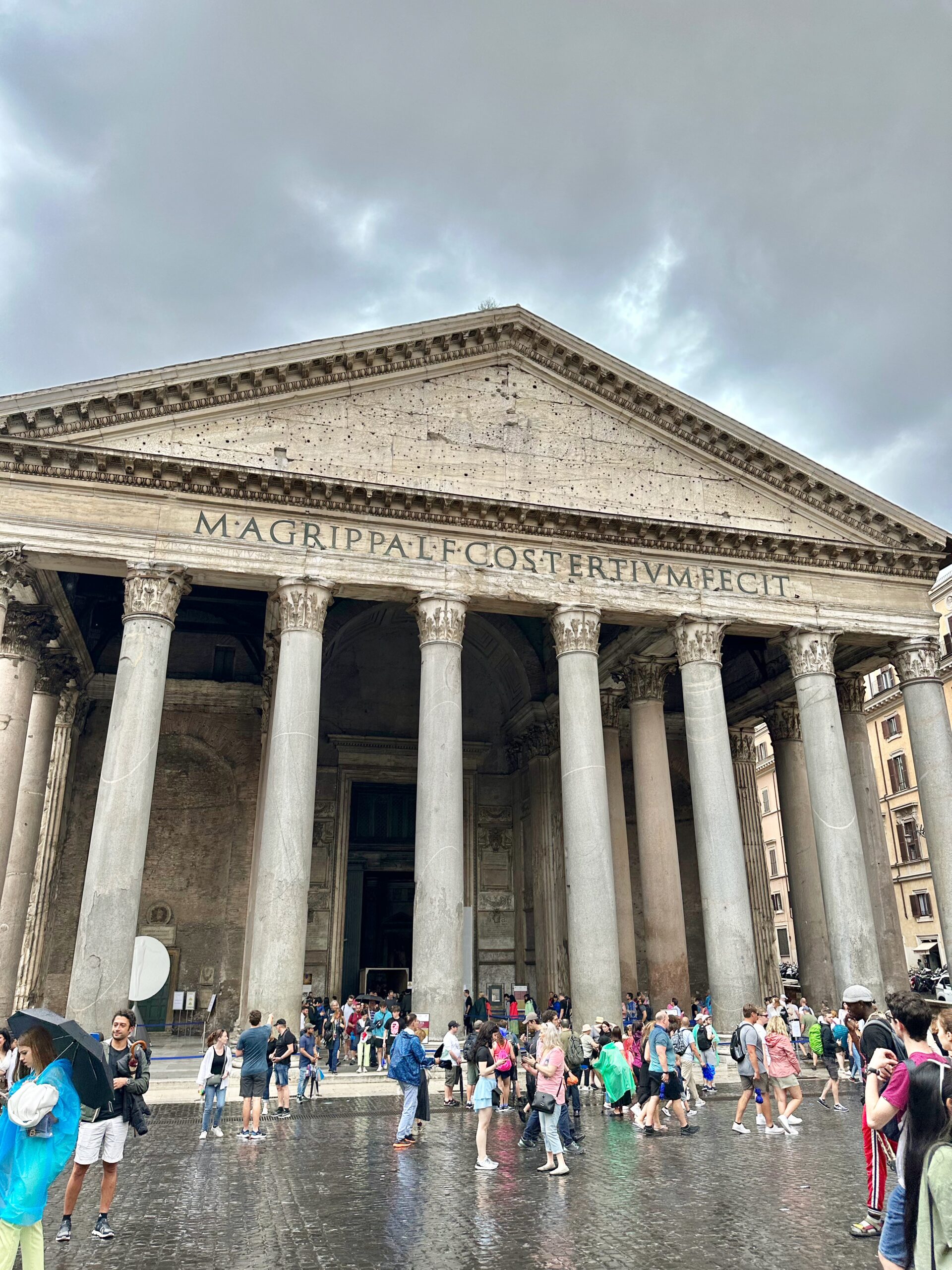
Our first stop was the Pantheon, one of the best-preserved buildings from ancient Rome.
Originally built as a Roman temple and later converted into a Catholic church, the Pantheon has remained in continuous use for centuries. Its most impressive feature is the enormous concrete dome and open oculus at its center.
The Pantheon is no longer free to visit. As of July 2026, general admission is €7, with reduced and free admission available for eligible visitors. Purchase tickets through the official Musei Italiani website or at the Pantheon.
Because it remains an active church, visitors should dress appropriately and be aware that opening hours may change for religious services.
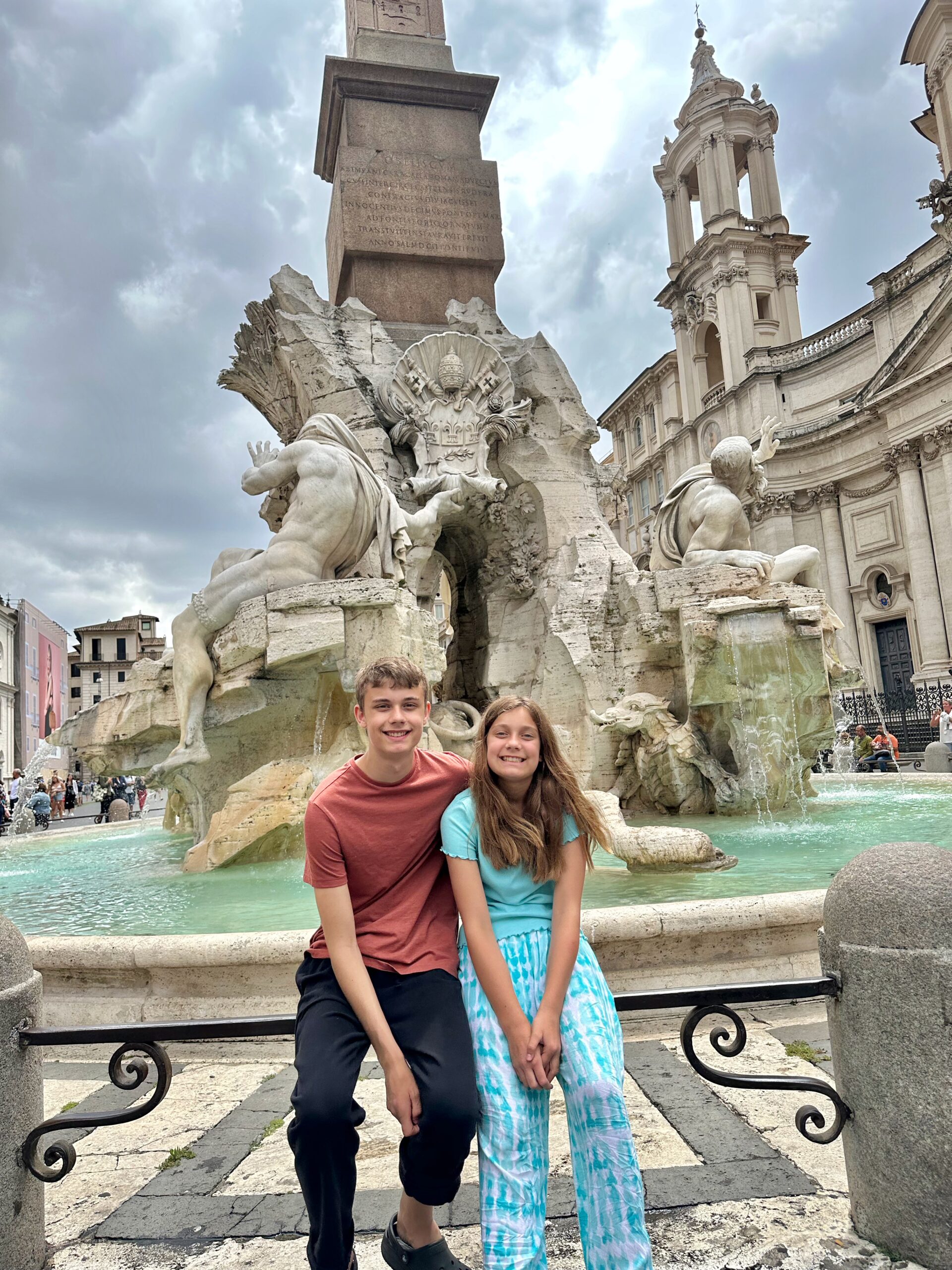
Piazza Navona
Piazza Navona is only a short walk from the Pantheon, and the cobblestone streets connecting the two are part of the fun.
The piazza was once an ancient Roman stadium but is now one of Rome’s most beautiful public squares. Its fountains, cafés, artists, and street performers make it a lively place to wander or stop for a break.
It was also much easier to appreciate the fountains here without the shoulder-to-shoulder crowds we encountered at Trevi.
Mouth of Truth
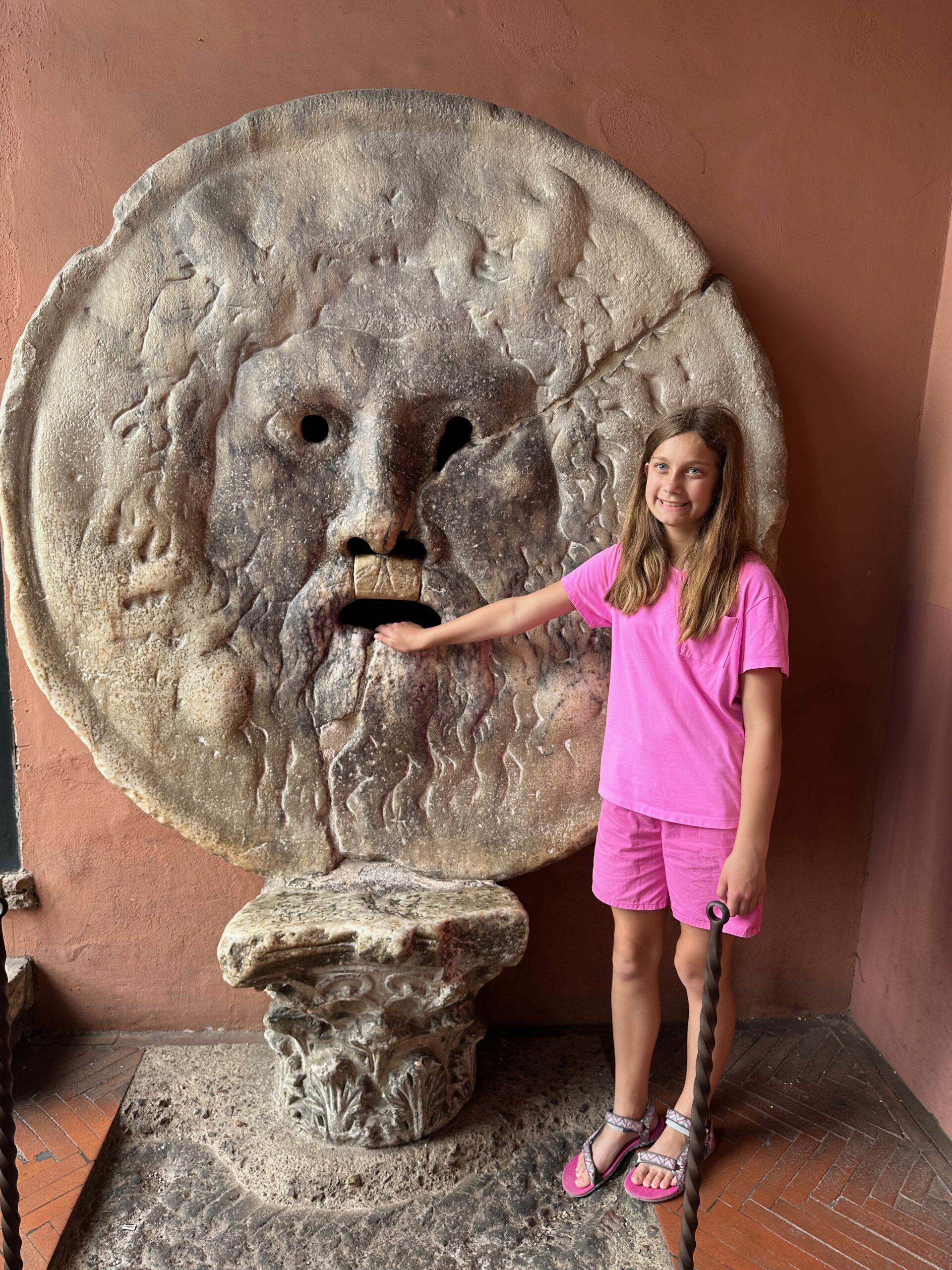
Our next stop was to test our truthfulness at the Mouth of Truth, or in Italian, “Bocca della Vertia.”
The Mouth of Truth is a massive marble mask/sculpture that sits outside, leaning on a side wall of the portico of the Santa Maria in Cosmedin church. It was made popular by the movie Roman Holiday, starring Audrey Hepburn and Gregory Peck. The legend states that if you’ve been lying and put your hand in its mouth, it will be bitten off. It’s safe to say that we all left with our hands that day.
Trevi Fountain
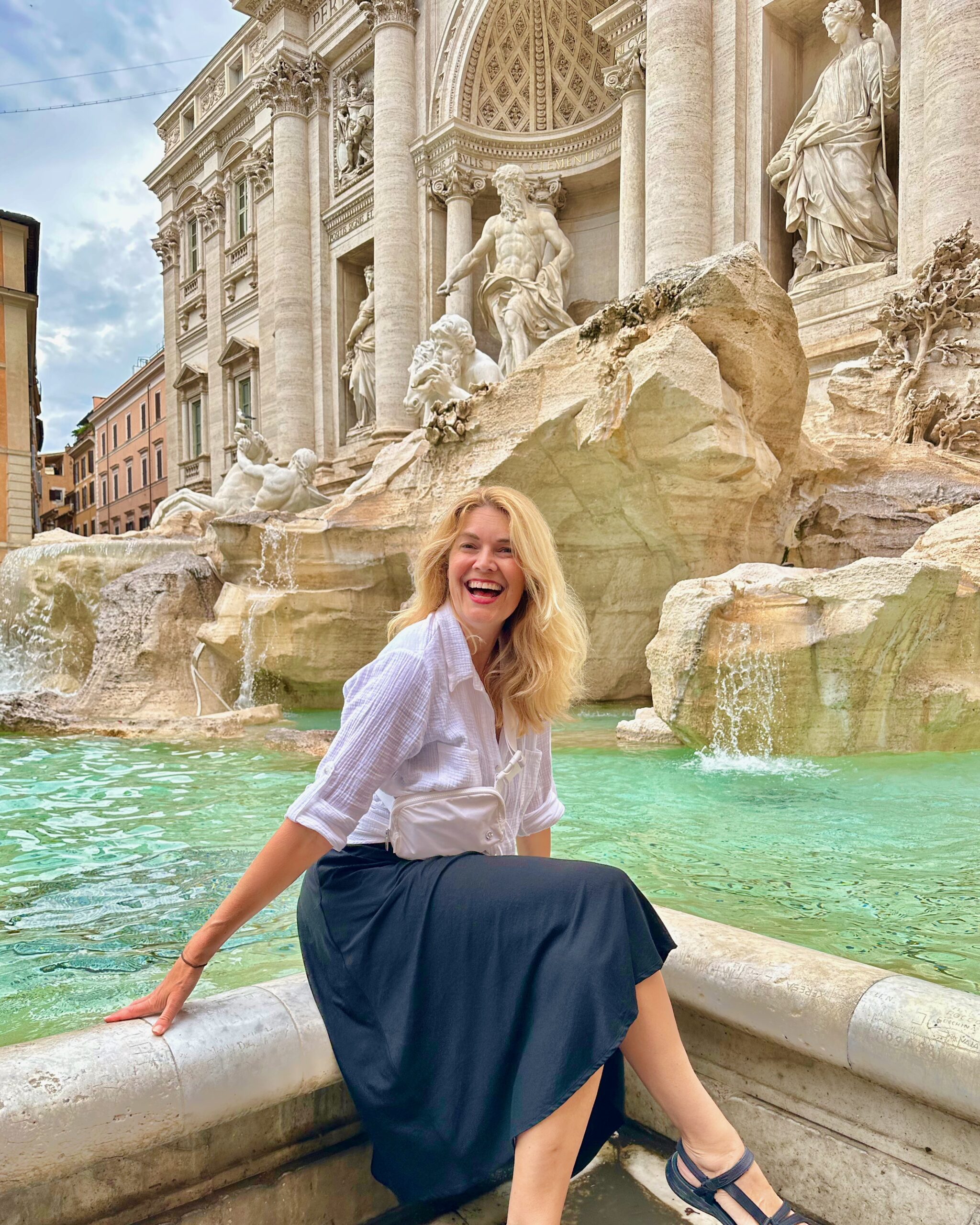
No first visit to Rome feels complete without seeing the Trevi Fountain and tossing a coin into the water.
The fountain is spectacular, but it’s also one of the busiest attractions in Rome. For a quieter experience, visit early in the morning or later in the evening.
As of February 2026, tourists pay €2 to enter the lower area closest to the fountain. You can still view the fountain for free from the upper piazza, but you’ll need a ticket if you want to approach the water and toss in a coin.
Legend says that tossing a coin into the fountain ensures your return to Rome. It apparently worked for me!
Spanish Steps
We didn’t make it to the Spanish Steps during this particular visit, but they’re an easy addition if you still have enough time and energy. They’re approximately a 10-minute walk from the Trevi Fountain and make a natural final stop on this historic-center route.
The staircase connects Piazza di Spagna with the Trinità dei Monti church above. You can walk up the steps, but sitting on them is prohibited.
Rome: Day 2
Our second day focused on ancient Rome.
The Colosseum, Roman Forum, and Palatine Hill are located next to one another and can be visited with a combined ticket. Give yourself most of the day to explore the area, especially if you’re visiting during the summer heat.
Roman Forum & Palatine Hill
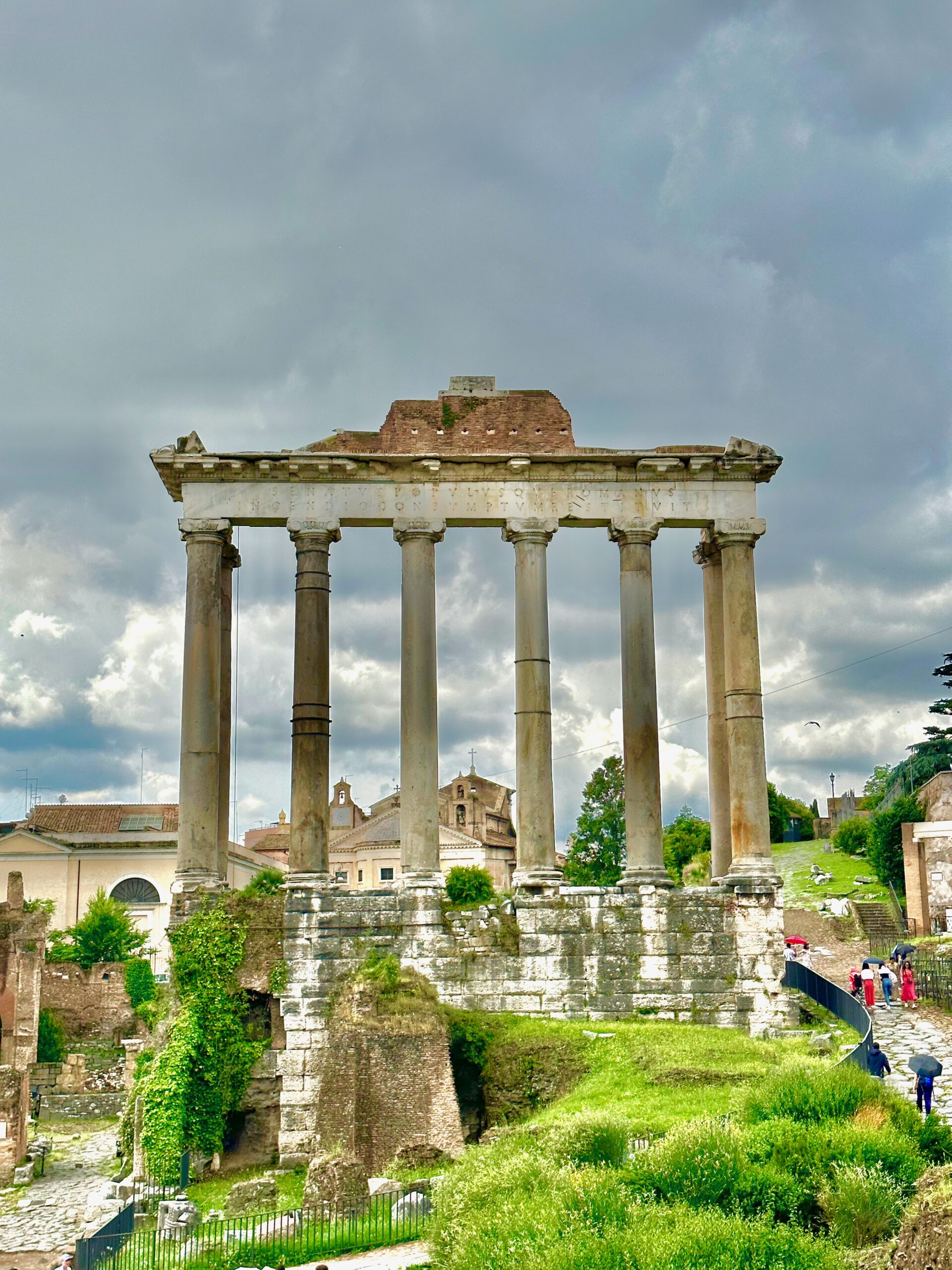
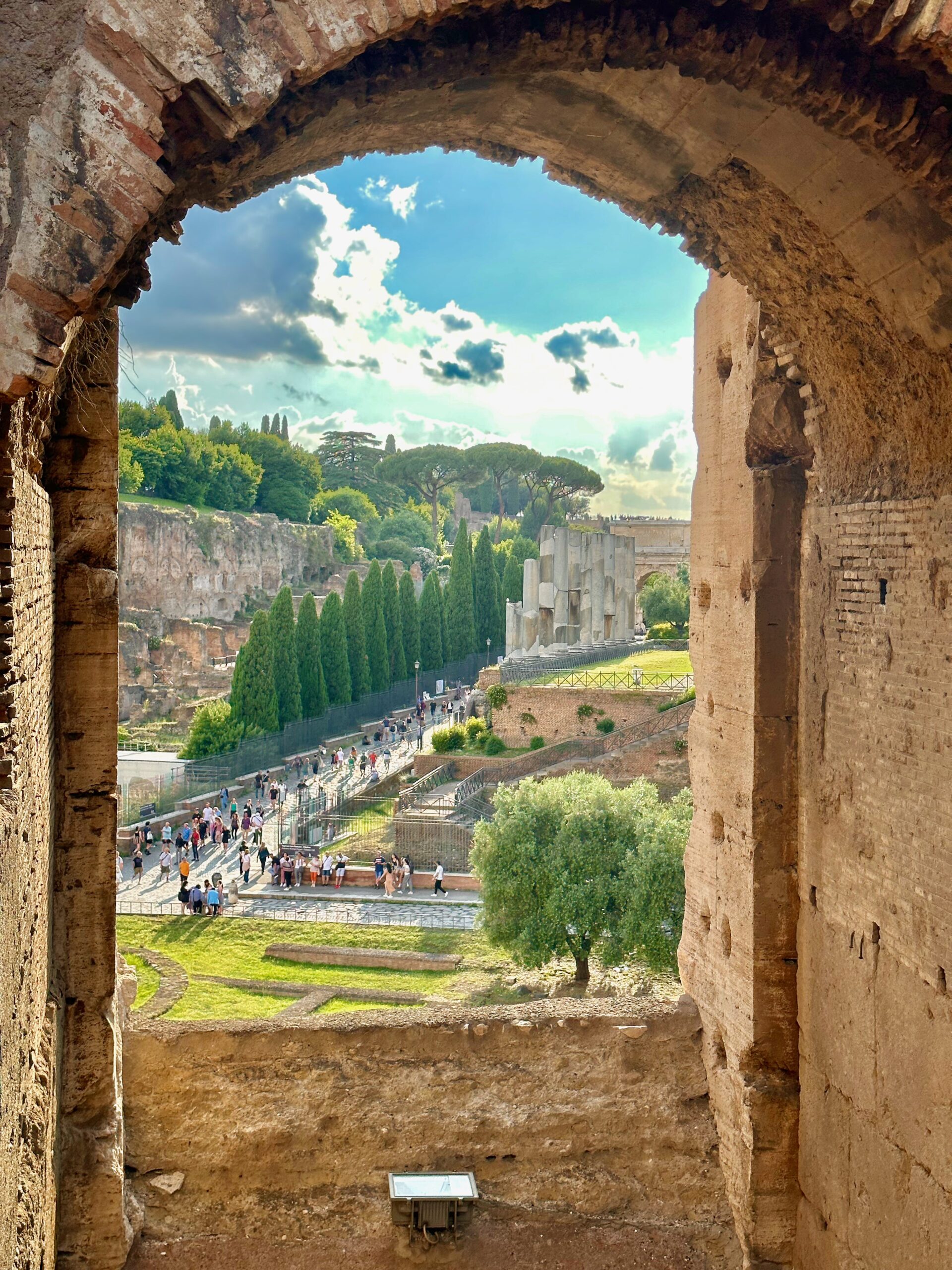
Our timed Colosseum entry wasn’t until later in the afternoon, so we began at the Roman Forum and Palatine Hill.
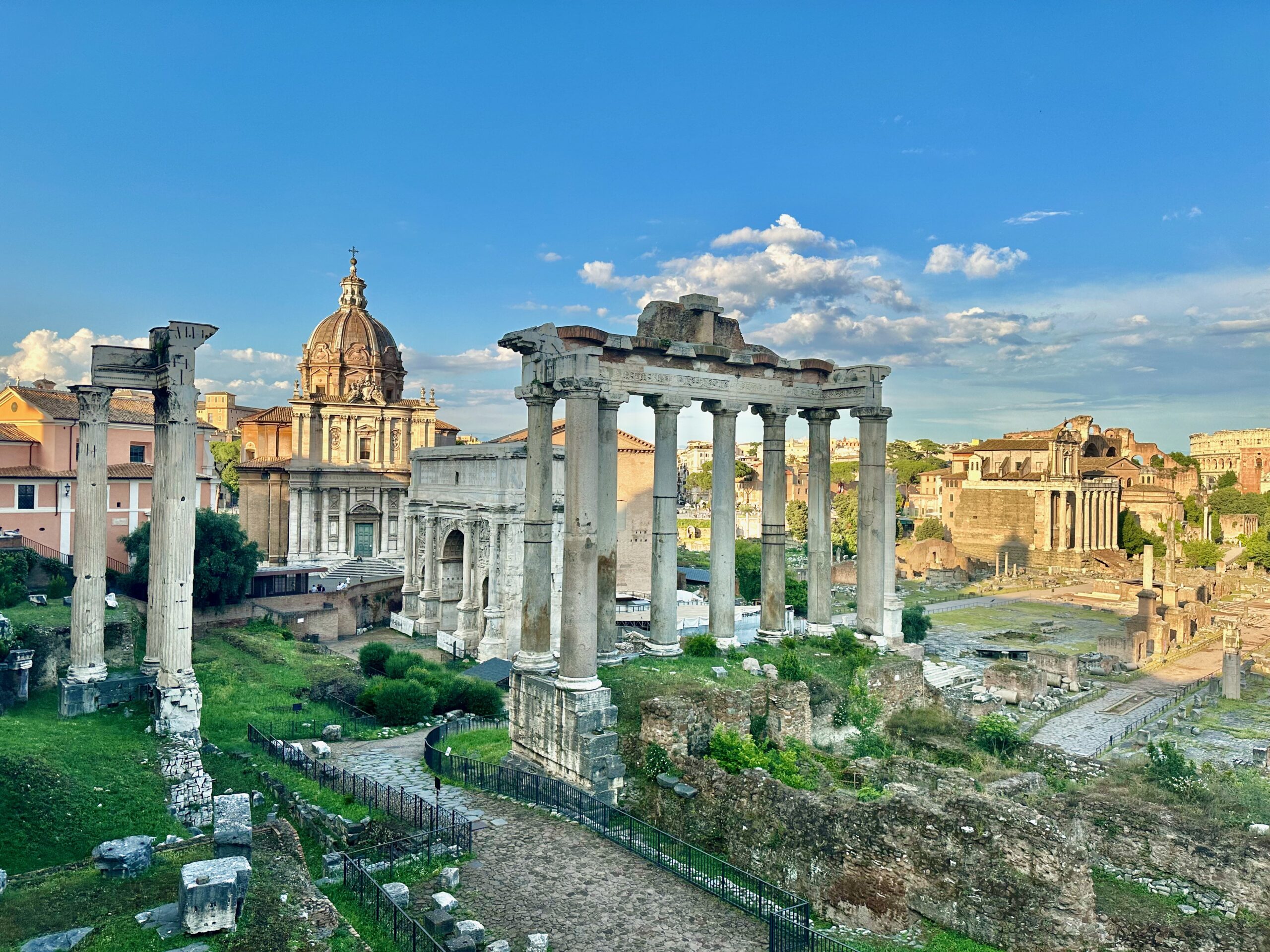
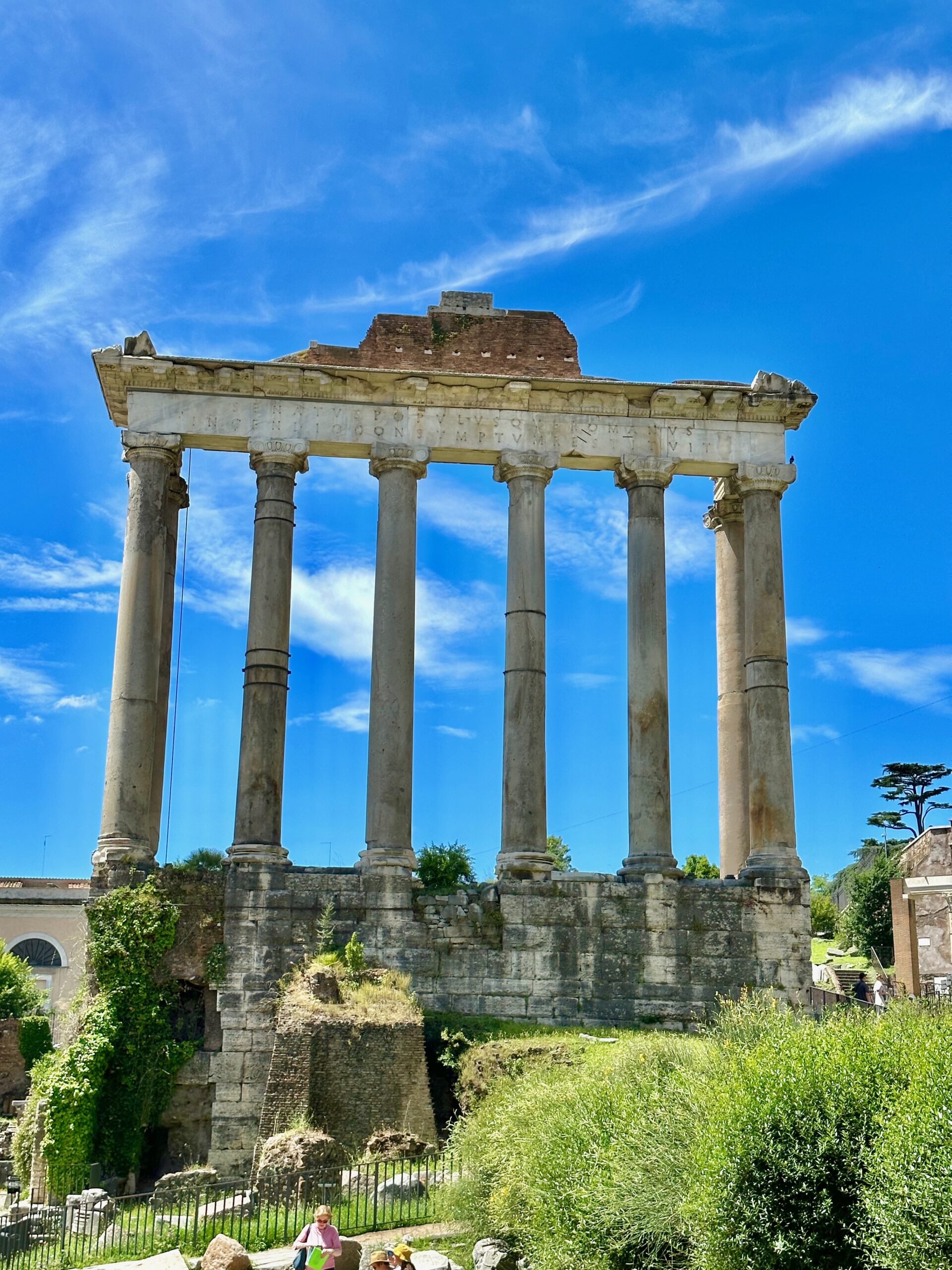
The Roman Forum was once the political, religious, and social center of ancient Rome. Today, you can walk among the remains of temples, government buildings, monuments, and public spaces where Roman life unfolded.
Palatine Hill rises above the Forum and is traditionally considered Rome’s birthplace. It later became home to elaborate imperial palaces. The elevated paths also offer beautiful views over the Forum.
Although the sites are beside one another, they involve a lot of walking, stairs, uneven ground, and limited shade. Bring water, wear comfortable shoes, and don’t try to rush through them.
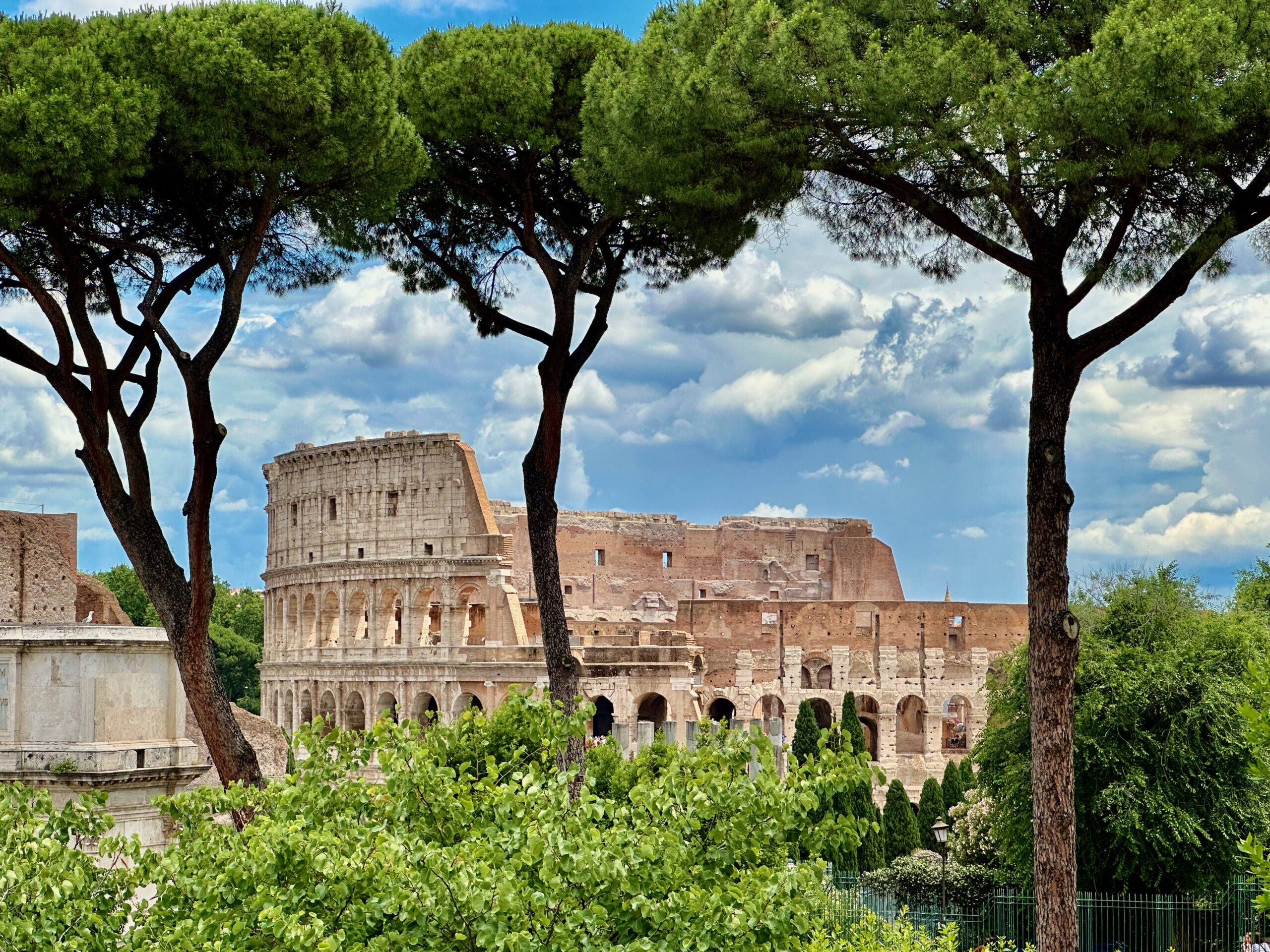
Colosseum
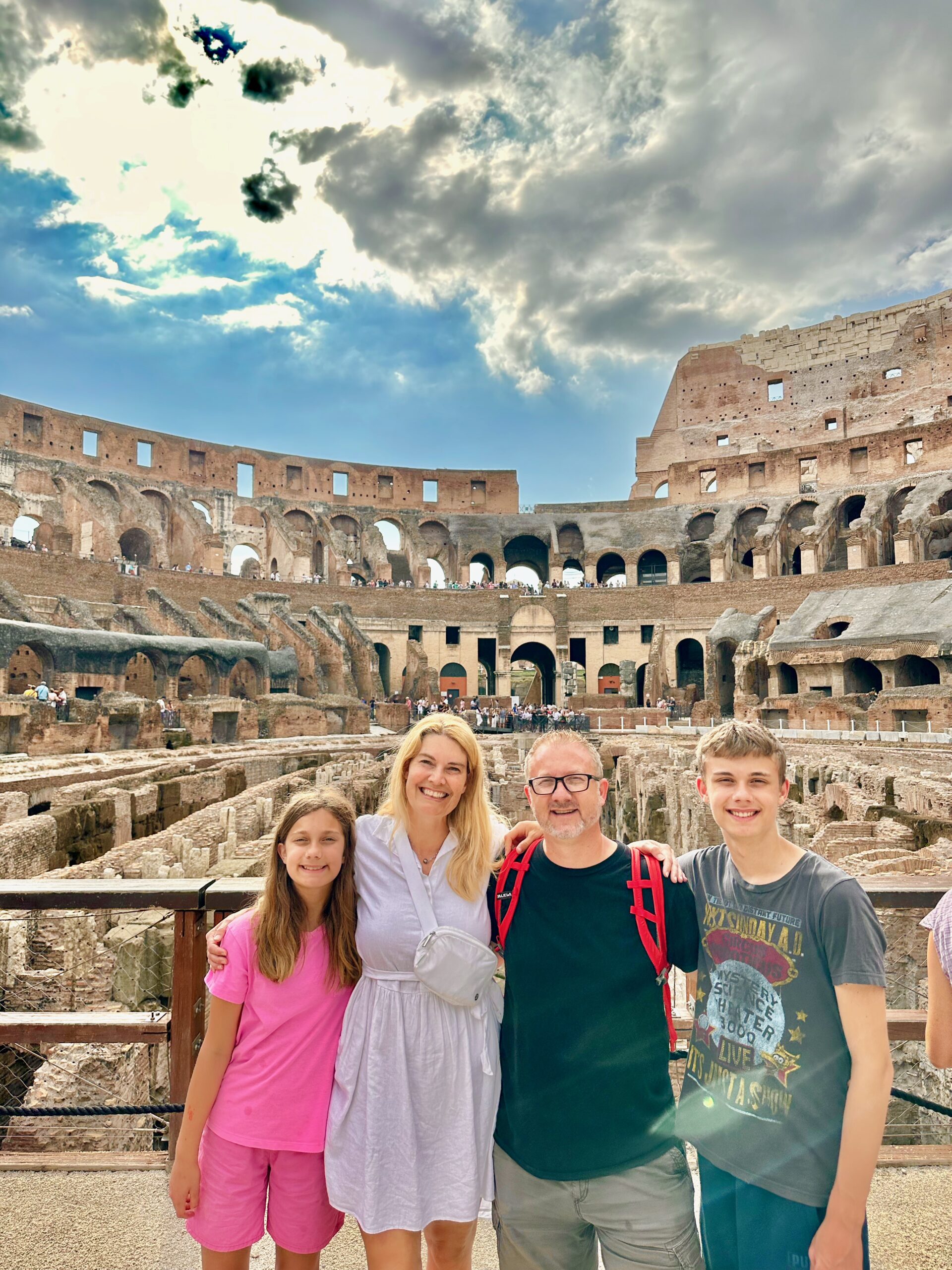
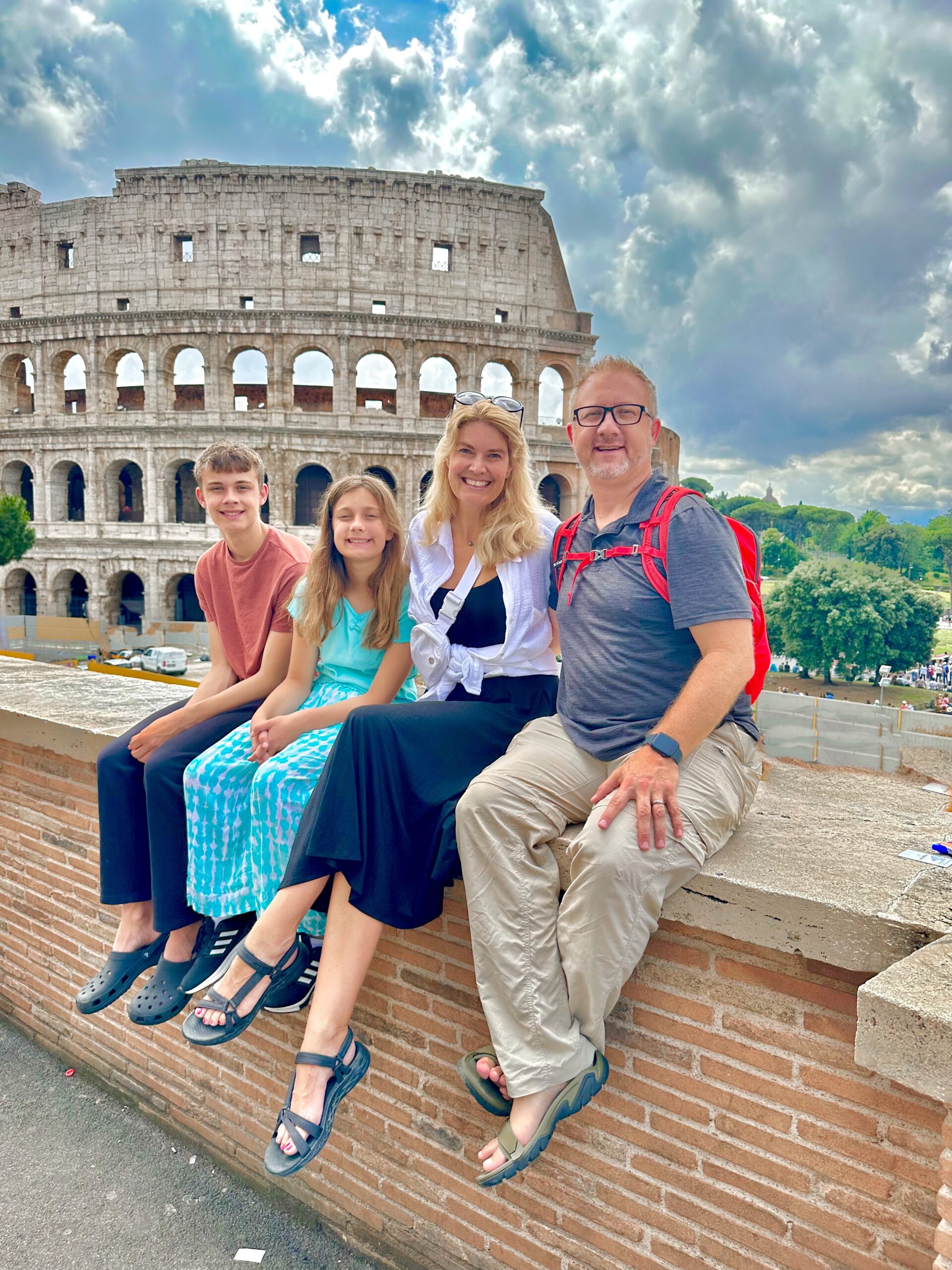
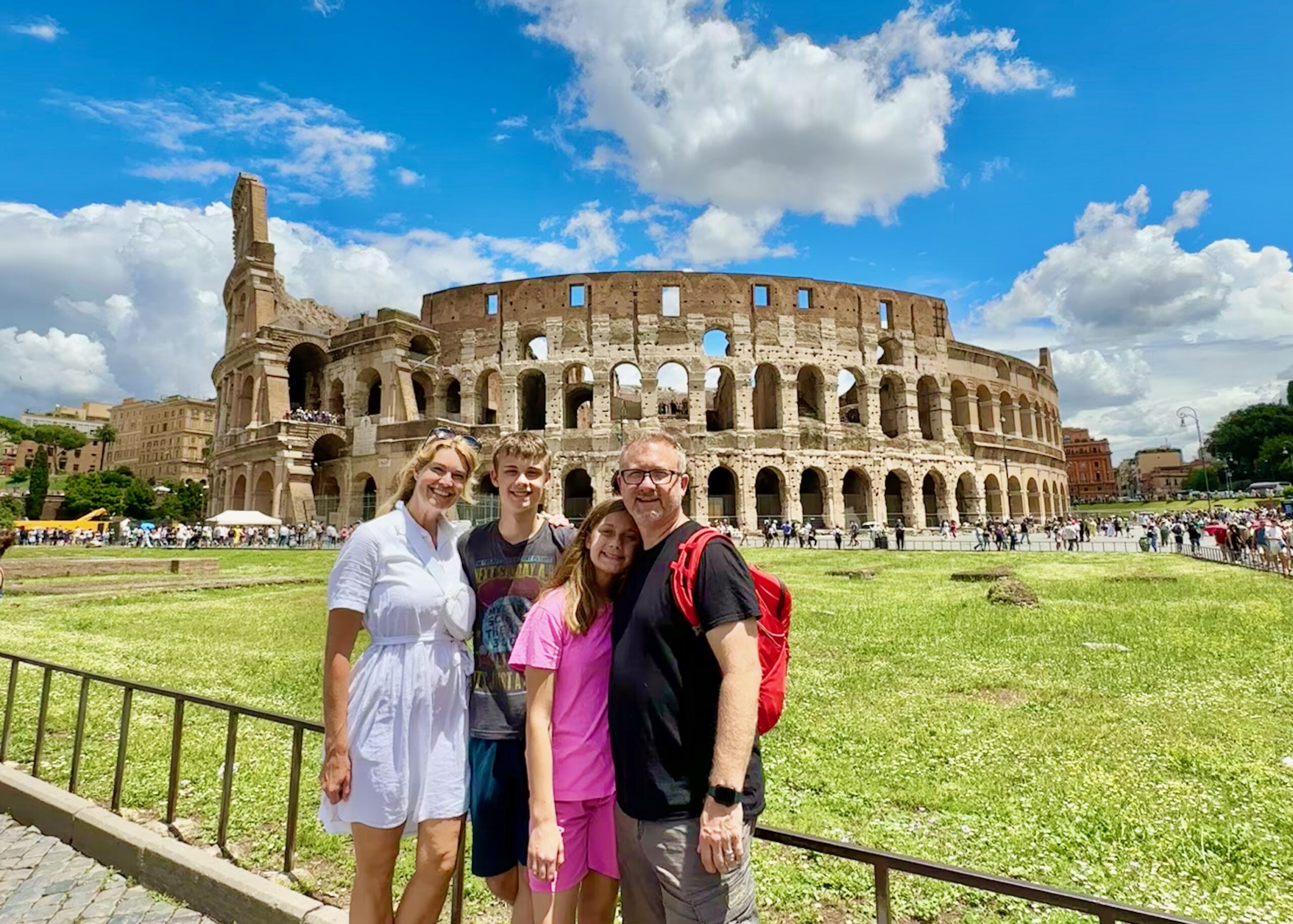
Seeing the Colosseum in person is one of those pinch-me moments. No matter how many photographs you’ve seen, its sheer size and history are hard to comprehend until you’re standing inside it.
Official timed-entry tickets are released 30 days before the visit through the Colosseum Archaeological Park’s ticketing website. Book as soon as your date becomes available, particularly if you want access to the arena floor or underground areas.
We couldn’t get underground tickets, but we visited the arena floor and thoroughly enjoyed the experience.
The Roman Forum and Palatine Hill are included with many Colosseum tickets, but the timing and access conditions depend on the ticket you purchase. Read the details carefully before finalizing your plans.
Day 3: Vatican City & Trastevere
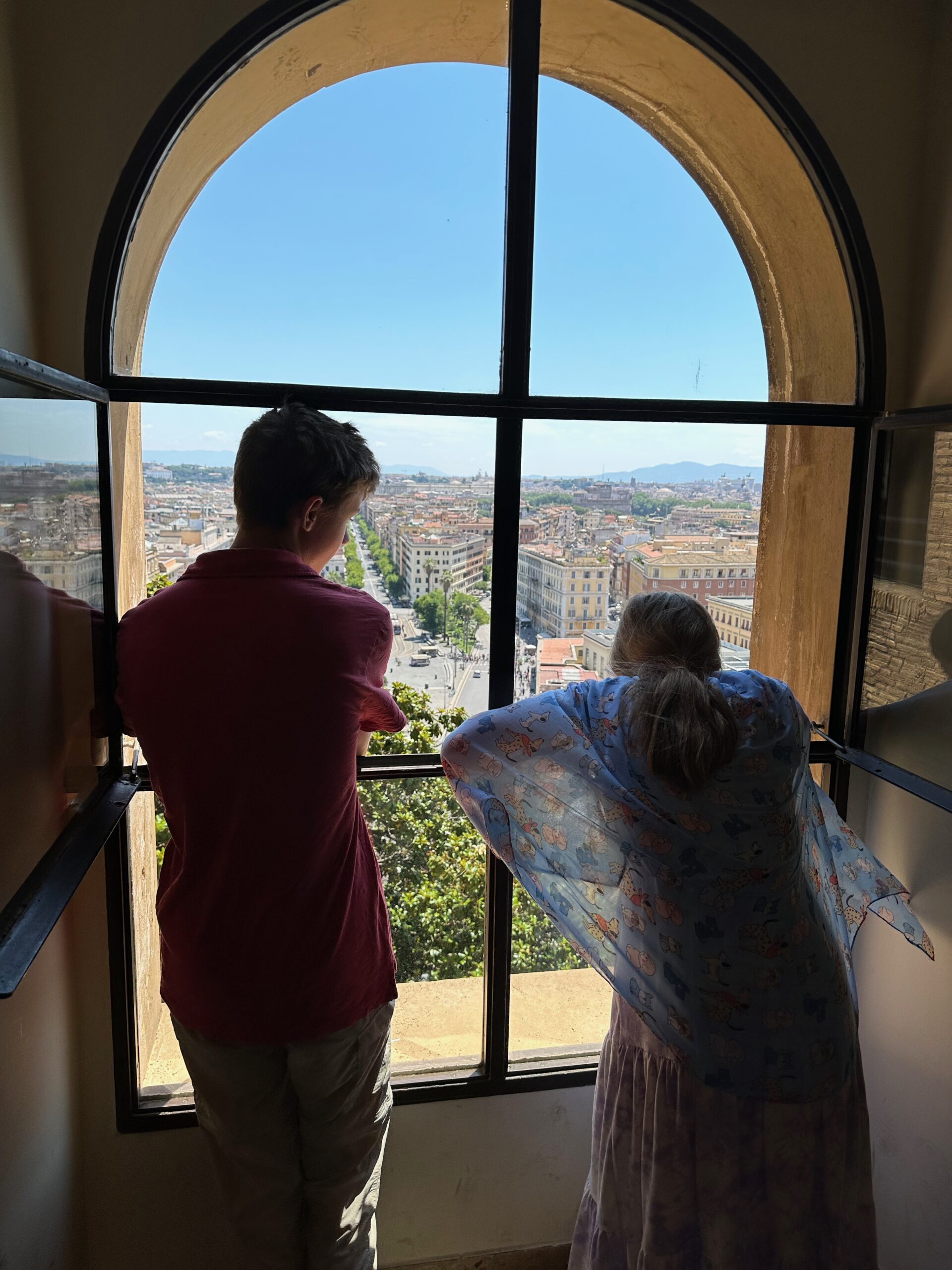
We spent our third day exploring Vatican City before heading to Trastevere for lunch.
This was another reservation-heavy day, so we booked our Vatican Museums tickets in advance.
Vatican Museums & Sistine Chapel
The Vatican Museums house an enormous collection of art and historical treasures gathered over centuries. The galleries are stunning, but the museum complex can also feel overwhelming.
Our main goal was to see Michelangelo’s Sistine Chapel. To reach it, visitors follow a long route through many of the museums and galleries. The collection is impressive, although the crowds and queues occasionally reminded me of a trip to IKEA. If you know, you know.
Purchase tickets only through the official Vatican Museums website. Lookalike ticket sites may charge considerably more than the official price.
Try to book the earliest available entry time. The museums get increasingly crowded as the day goes on, and starting early leaves more time for St. Peter’s Basilica and Trastevere.
St. Peter’s Basilica
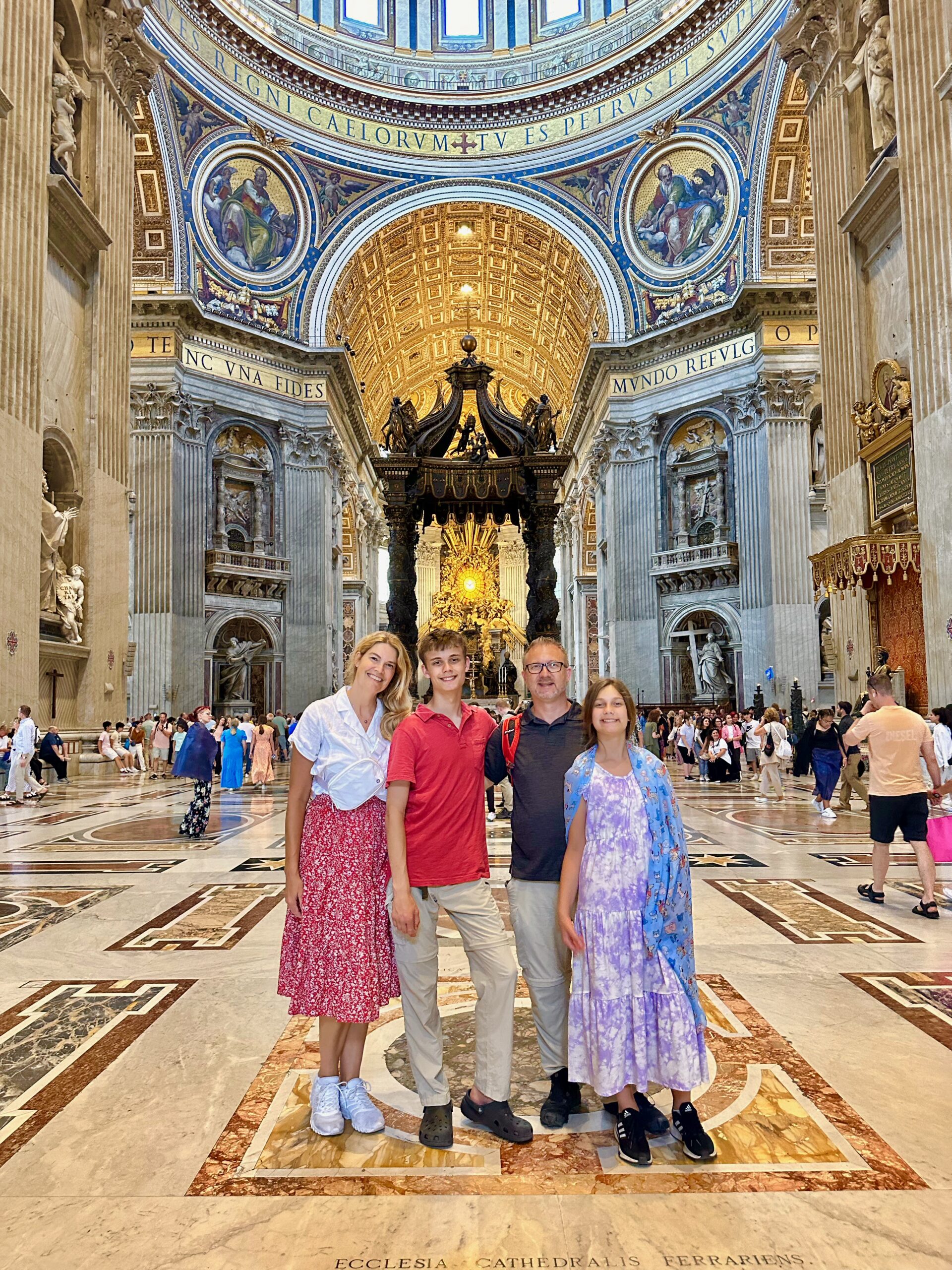
After the Vatican Museums, we visited St. Peter’s Basilica.
It’s the largest church in the world by interior measurement, and everything about it feels monumental. Even after spending hours surrounded by masterpieces in the Vatican Museums, walking into St. Peter’s Basilica was still breathtaking.
Entry to the basilica is generally free, but visitors must pass through security, and lines can be long. Dress appropriately by covering shoulders and knees.
The basilica may close or restrict access during religious services and special events, so check the official Vatican website before your visit.
Trastevere
After Vatican City, we headed to Trastevere for lunch.
Trastevere is known for its narrow cobblestone streets, colorful buildings, lively atmosphere, and excellent restaurants. It was the perfect place to decompress after a busy morning at the Vatican.
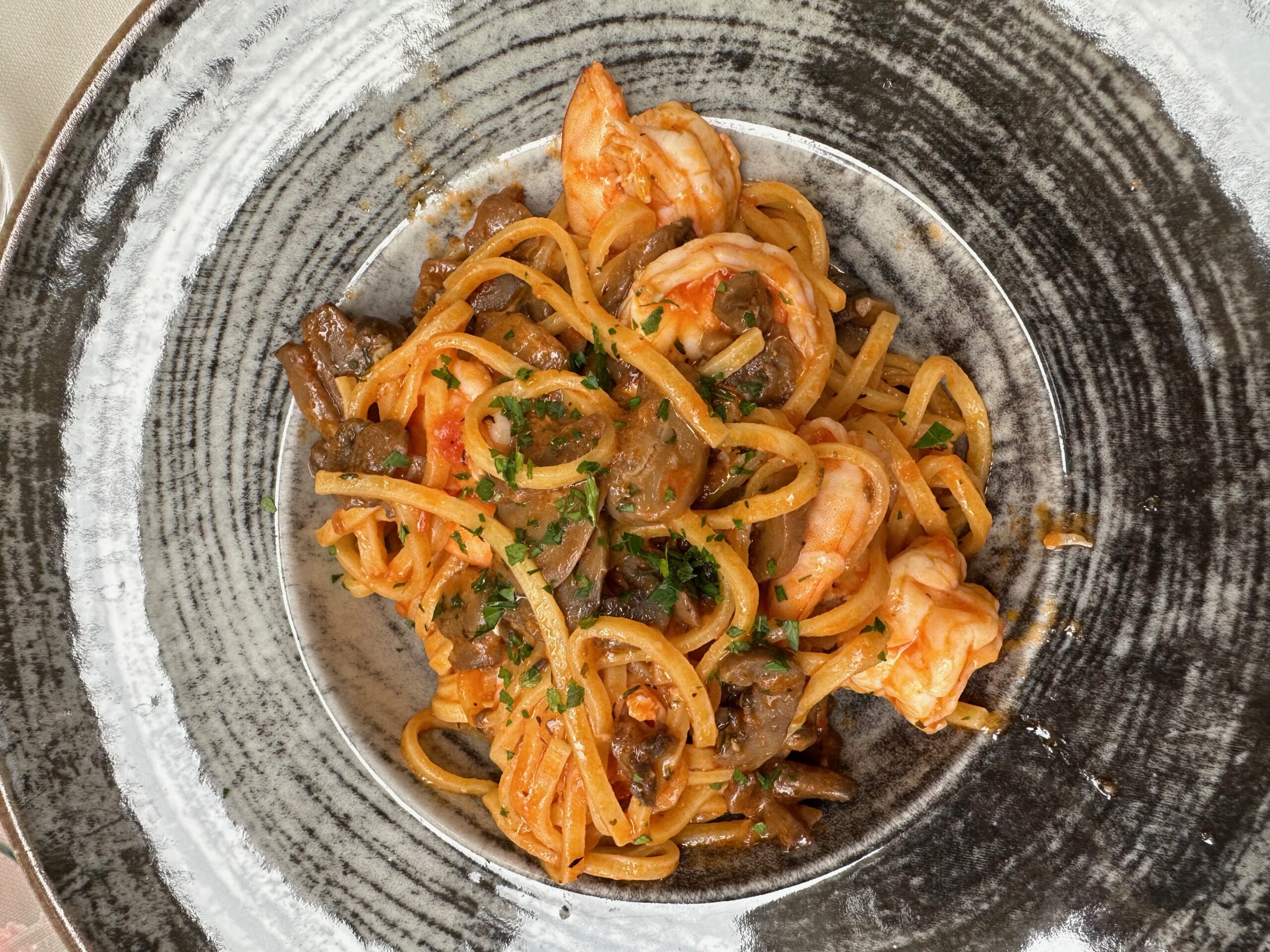
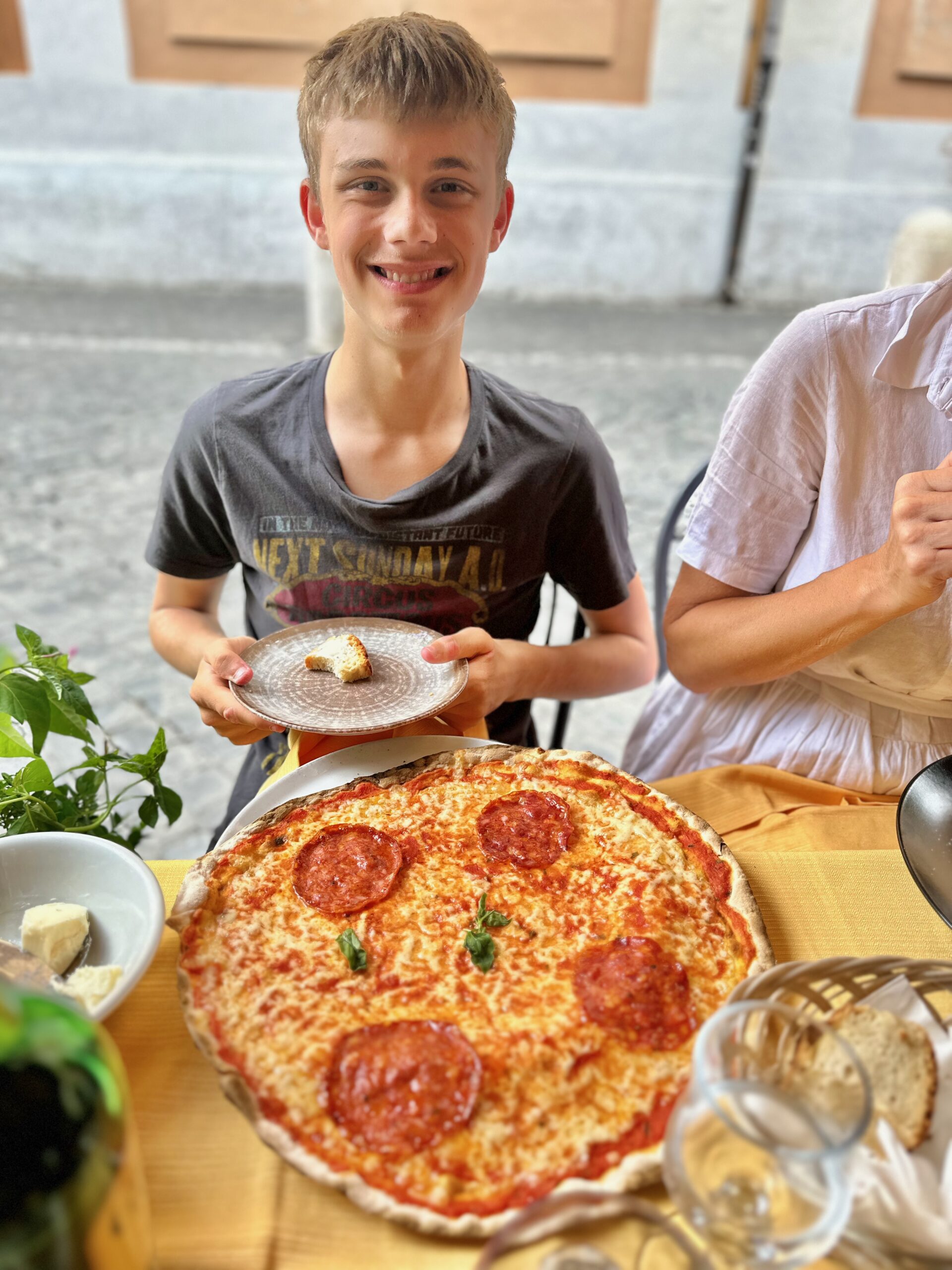
We ate at Alle Fratte di Trastevere, and it was fantastic, easily one of the best meals of our trip.
If your family still has energy, spend some time wandering around the neighborhood after lunch. Trastevere is especially charming in the evening when its restaurants and piazzas come alive.
Tips for Visiting Rome With Kids
Rome is a wonderful city for families, but it can involve long days, large crowds, and a surprising amount of walking. These are a few things that helped our family:
- Book major attractions early. The Colosseum and Vatican Museums are much easier to plan when you already have confirmed entry times.
- Limit each day to one major reservation. Too many timed tickets can make the itinerary stressful.
- Stay central. A convenient location makes it easier to take breaks or adjust your plans.
- Wear comfortable shoes. Rome’s uneven cobblestones are not the place to test a new pair.
- Carry refillable water bottles. Use the public nasoni fountains to refill them.
- Start early. You’ll encounter cooler temperatures and smaller crowds.
- Make time for gelato. Never underestimate the motivational power of a well-timed gelato stop.
- Leave room to wander. Some of our favorite Rome moments happened between the major attractions.
Frequently Asked Questions
- Is three days enough for Rome?
- Three days is enough for a first visit to Rome if you organize your itinerary by neighborhood and reserve major attractions in advance. You won’t see everything, but you can comfortably experience the historic center, ancient Rome, Vatican City, and Trastevere.
- Is Rome walkable with kids?
- Rome is very walkable, especially when you stay in a central neighborhood. However, families should prepare for uneven cobblestones, stairs, summer heat, and long distances. Use taxis or public transportation when everyone needs a break.
- What should you book in advance?
- Book the Colosseum and Vatican Museums before your trip. Depending on the season and your preferences, you may also want to arrange Pantheon admission in advance. Always purchase from official websites when possible.
- Which area is best for families staying in Rome?
- Monti worked well for our family because it was close to the Colosseum and had plenty of restaurants and shops. The areas surrounding the Pantheon and Piazza Navona are even more central and convenient for exploring the historic center.
- What is the best way to organize three days in Rome?
- Group nearby attractions together. Spend one day in the historic center, one day exploring the Colosseum and ancient Rome, and one day visiting Vatican City and Trastevere. This reduces unnecessary travel across the city.
Final Thoughts on Our Three Days in Rome
Three days gave our family enough time to experience Rome’s most iconic sights without turning the entire visit into a race.
We explored ancient ruins, walked through grand piazzas, visited Vatican City, ate incredible meals, tossed coins into the Trevi Fountain, and introduced our kids to the city where their parents became engaged 25 years earlier.
Rome can be crowded, chaotic, and exhausting, but that’s also part of its charm. History and modern life exist side by side here, often with a plate of pasta and a scoop of gelato somewhere in between.
If this is your first visit, don’t worry about seeing everything. Choose the places that matter most to your family, book the major attractions in advance, and leave a little time to simply roam.
To continue planning your family trip, read our complete two-week Italy itinerary, Cinque Terre itinerary, Venice guide, and Amalfi Coast itinerary.

Mom of two and seeking sanity in the everyday. Let’s chat about family, school struggles, travel, and living our best life. Located in the San Francisco Bay area.