12 Essential Japan Travel Tips to Know Before You Go

By August 14, 2026Asia, Japan, Travel, Featured18 min read
12 Essential Japan Travel Tips to Know Before You Go
What we learned about flights, hotels, trains, reservations, medications, and getting around during our first trip to Japan
Michelle Tucker

Published: August 14, 2026    Reading Time: Less than 16 minutes     Comments: 0 Comments    Tags:

Japan ended up being one of our favorite family adventures. It was safe, exciting, surprisingly easy to navigate, and filled with experiences that both we and our teenagers genuinely loved.…

This post contains affiliate links.

12 Japan Travel Tips and Tricks to Know Before Booking Your Trip

Planning a trip to Japan can feel a little like trying to solve a giant, neon-lit puzzle. Which cities should you visit? Do you need a Japan Rail Pass? When should you reserve hotels? And how on earth do you get tickets to all those popular cafés and attractions before they sell out?

Before our family spent 11 days exploring Tokyo and Kyoto with our two teens, I researched just about everything I could. Even then, there were a few things we learned only after arriving.  I learned quickly that the internet cannot prepare you for everything, including July humidity or an overly enthusiastic herd of hungry deer.

Japan ended up being one of our favorite family adventures. It was safe, exciting, surprisingly easy to navigate, and filled with experiences that both we and our teenagers genuinely loved.
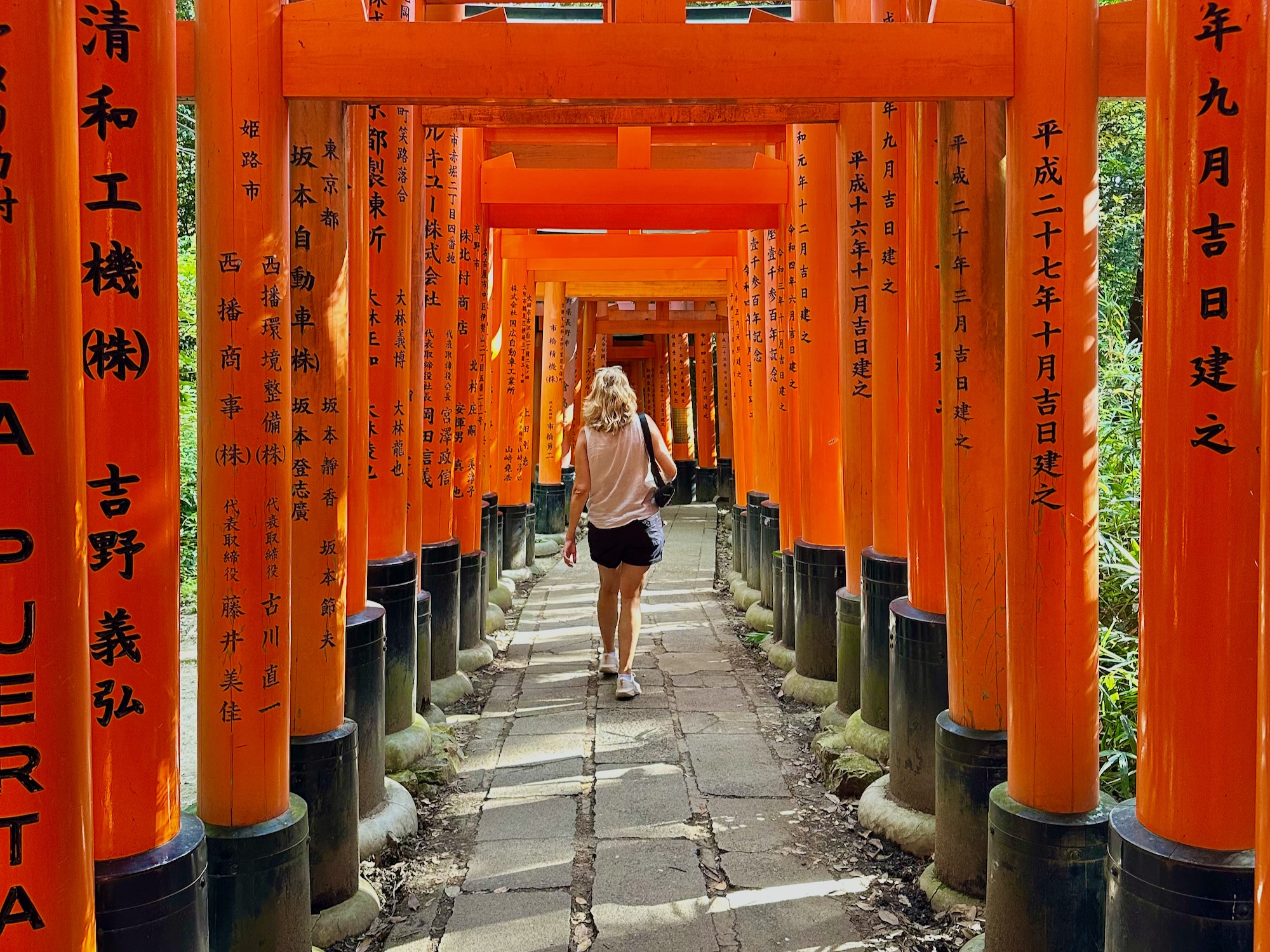
If you’re planning your own vacation, these 12 Japan travel tips will help you book more confidently, avoid common mistakes, and create an itinerary your family can actually enjoy.

1. Choose Your Travel Dates Carefully

The time of year you visit Japan can completely change your experience.
Spring and fall are generally the most popular seasons because of the comfortable temperatures, cherry blossoms, and colorful foliage. Unfortunately, beautiful weather and scenery also bring larger crowds and higher prices.
We traveled during the summer, and while we loved our trip, the heat and humidity were intense. By the time we reached Kyoto, our original itinerary had become more of a loose suggestion than a strict schedule. We had to slow down, take breaks, and occasionally choose air conditioning over another temple.
Spring
  • Pleasant weather and cherry blossoms.
  • Peak crowds and prices.

Summer

  • Festivals and longer days.
  • Significant heat and humidity.
  • Occasional heavy rain.
Fall
  • Comfortable temperatures and beautiful foliage.
  • Crowds in popular destinations.
Winter
  • Fewer visitors in many areas.
  • Lower prices and excellent skiing in northern Japan.
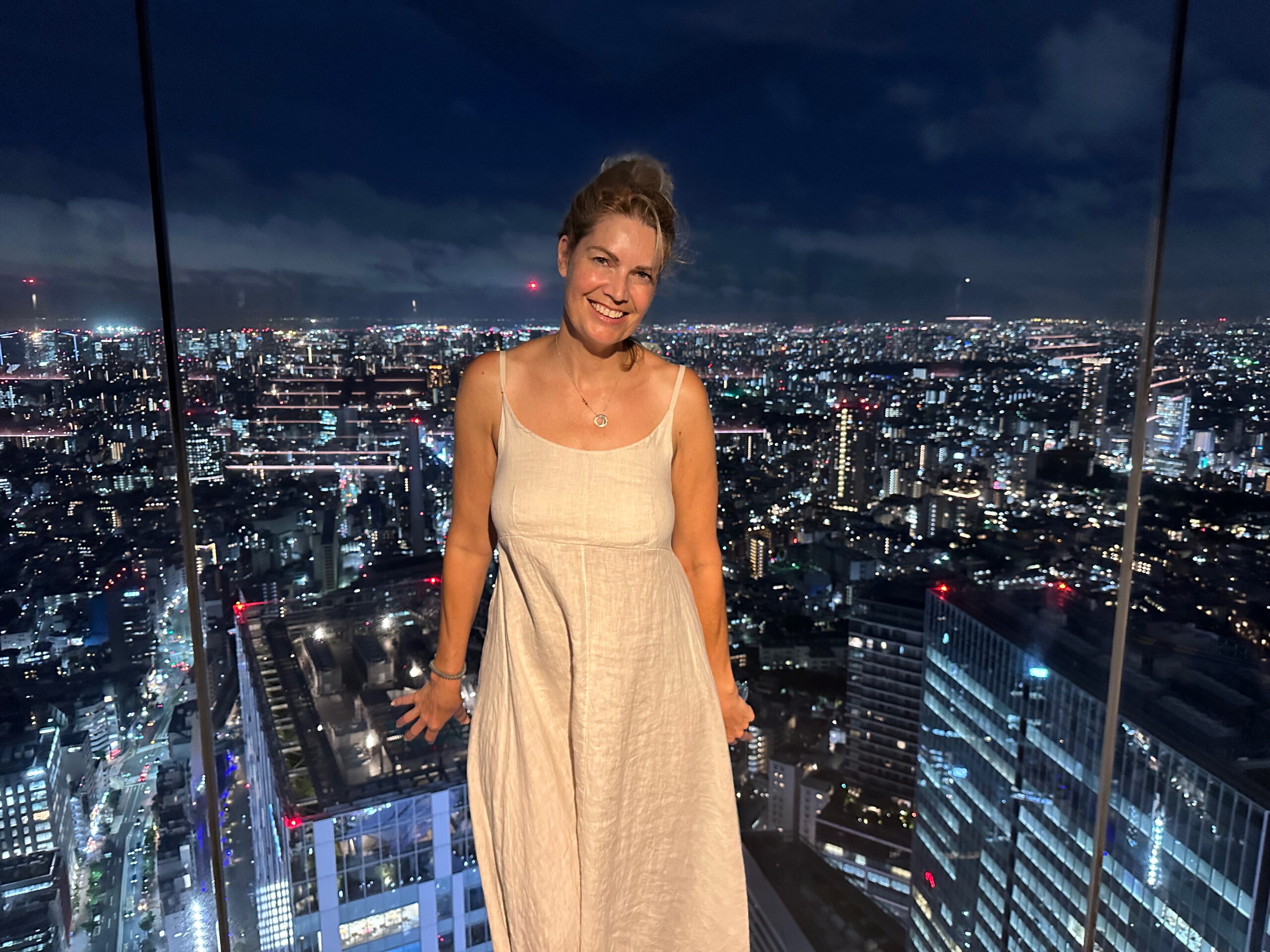
Also check Japan’s national holidays before booking. Golden Week, which usually falls from late April into early May, is one of the country’s busiest domestic travel periods.
The best time to visit Japan isn’t necessarily the season everyone recommends; it’s the season that best fits your family’s budget, tolerance for crowds, and feelings about sweating through your clothes before breakfast.

2. Don’t Try to See the Entire Country in One Trip

Japan looks relatively small on a map, which makes it tempting to squeeze six cities into a 10-day vacation. Resist the urge.
Changing hotels takes more time and energy than you expect, especially when you’re traveling with children, teenagers, or multiple suitcases. Although Japan’s trains are wonderfully efficient, constantly packing, checking out, traveling, and checking back in can make a vacation feel like one long commute.
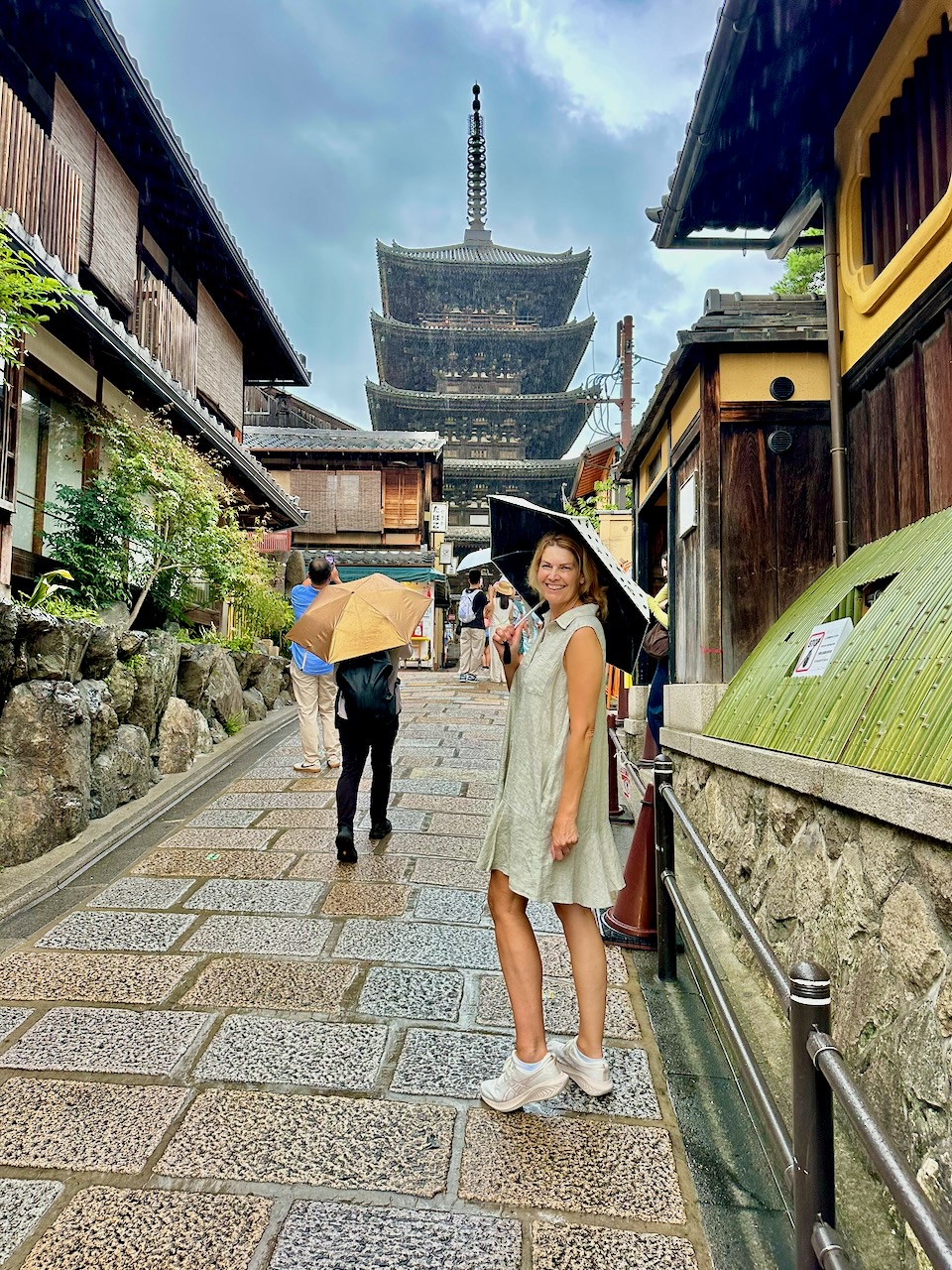
For a first family trip, Tokyo and Kyoto create a fantastic combination. Tokyo offers modern neighborhoods, shopping, gaming, themed cafés, and futuristic attractions, while Kyoto provides temples, historic streets, gardens, and a slower pace.
From Kyoto, you can easily add day trips instead of moving hotels. We visited Nara this way, and cities such as Osaka are also accessible for a day trip.

Want Our Itinerary?

Our 11-day Japan itinerary for families with teens shows how we divided our time between Tokyo and Kyoto without changing hotels every other night.
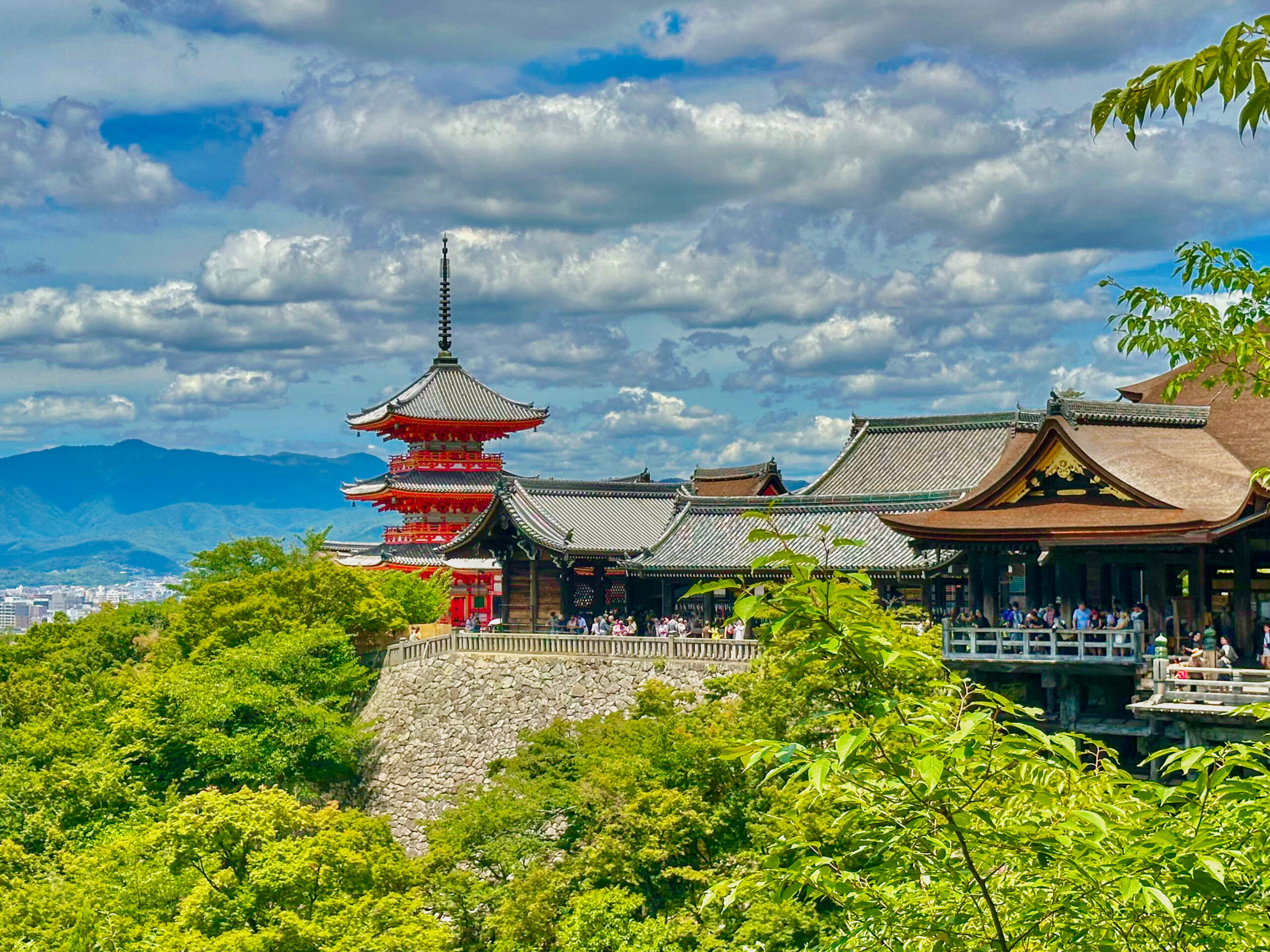
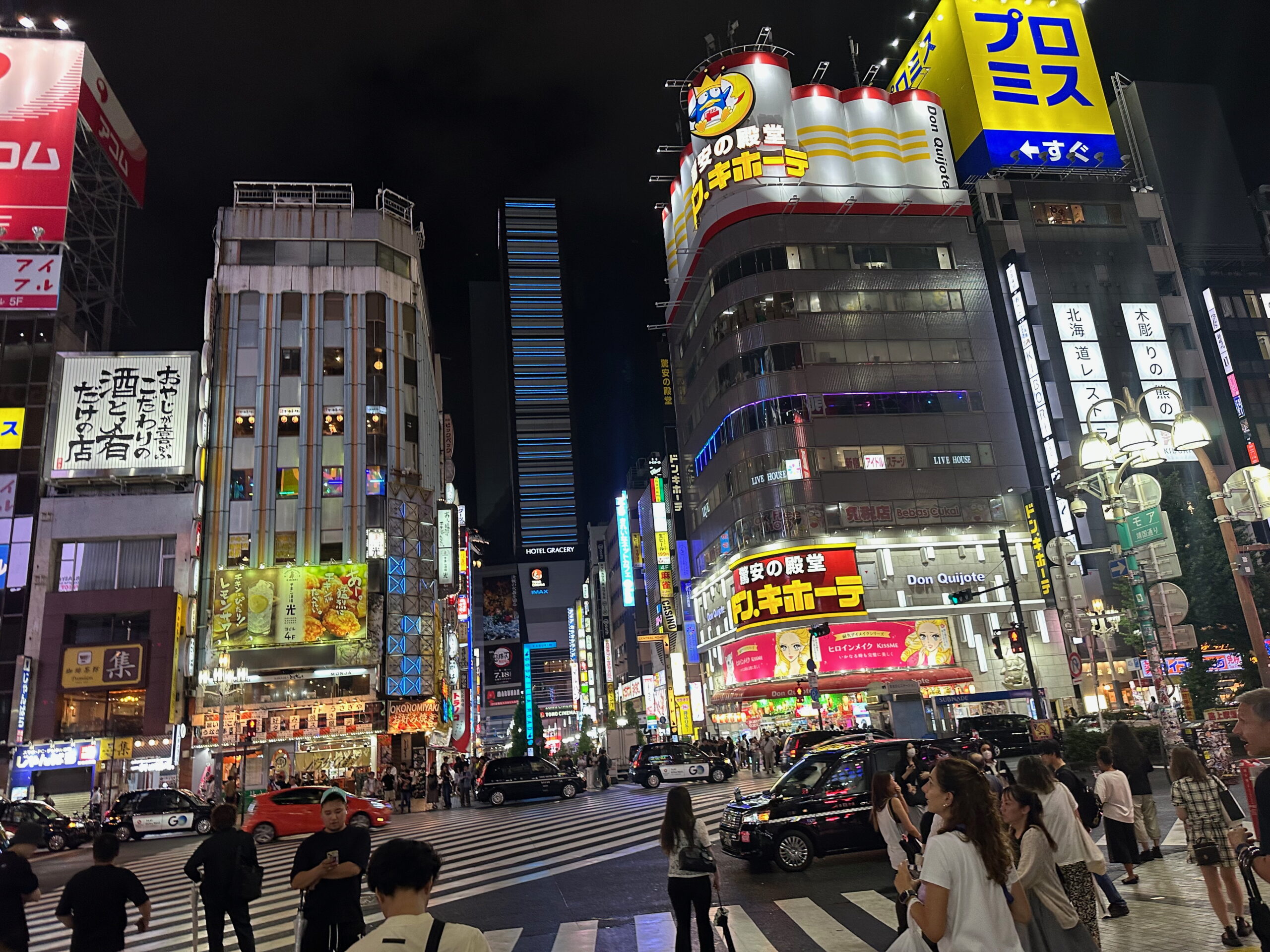
View the Itinerary

3. Compare Tokyo Airports and Look Into Open-Jaw Flights

Tokyo is served by two major international airports: Haneda and Narita.
Haneda Airport is closer to central Tokyo, which can make arriving and departing much more convenient. Narita Airport is significantly farther outside the city, but flights through Narita may sometimes be less expensive or offer better schedules.

Before choosing the cheapest airfare, compare the entire journey

Be sure to consider:
  1. Flight arrival and departure times
  2. Transportation costs between the airport and your hotel
  3. Travel time into central Tokyo
  4. Whether public transportation will still be running
  5. How your family will feel after a long international flight
It’s also worth searching for an open-jaw, or multi-city, ticket. Instead of flying round-trip through Tokyo, you could fly into Tokyo and return home from Osaka’s Kansai International Airport, or do the trip in reverse.
This can be especially helpful if your itinerary includes both Tokyo and Kyoto or Osaka. Flying home from a different city may eliminate the need to backtrack to Tokyo, saving you the cost of another train journey and giving you an extra day to explore.

When searching, compare:

  1. A standard round-trip flight through Tokyo
  2. A multi-city ticket arriving in Tokyo and departing from Osaka
  3. The same multi-city route in reverse
  4. The total price after adding airport transfers and any extra train travel
Open-jaw tickets aren’t always cheaper, but they can offer better overall value once you account for the time, transportation, and hotel costs involved in returning to your arrival city.
On our trip, we returned to Tokyo for our flight home and enjoyed one final relaxing night at the Hotel New Otani. That worked well for us because we wanted some pool time before the long journey home. Still, if maximizing sightseeing time is your priority, flying home from Osaka is absolutely worth investigating.
A slightly more expensive flight can sometimes create a much smoother itinerary. When traveling with a family, fewer transfers and less backtracking may be worth every penny.

4. Book Family-Sized Hotel Rooms Early
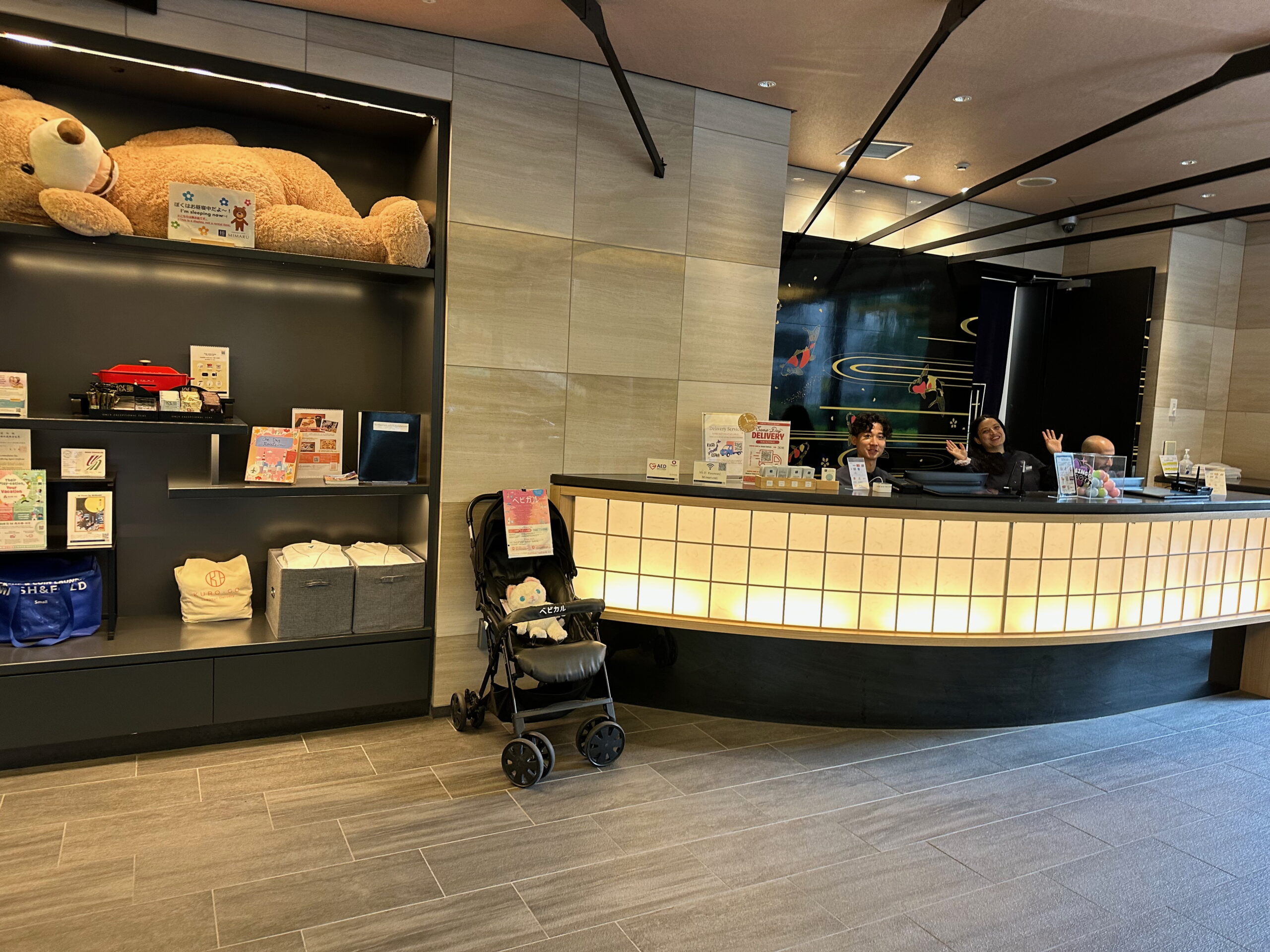
Hotel rooms in Japan can be much smaller than many American families expect. Rooms that accommodate four people and allow everyone to sleep in an actual bed can be limited.
This is one area where booking early really matters.
In Tokyo, we stayed at Mimaru Suites Shinjuku West and absolutely loved having an apartment-style room. Our suite included bunk beds, a kitchen, a refrigerator, and a dining table. That extra space made a tremendous difference after long days of sightseeing, especially when everyone needed a little room to decompress.  We also stayed at the New Otani at the end of our trip and loved the large quadruple rooms and the lovely pool. (A hotel with a pool is actually hard to find in Tokyo in the summertime)

When comparing hotels, look beyond the nightly price.

Be sure to check:
  • The exact number and size of beds
  • Whether children are included in the listed occupancy
  • Room square footage
  • Distance from the nearest train or metro station
  • Laundry facilities
  • Refrigerator or kitchenette access
  • Breakfast optionsLuggage storage and delivery services
Staying near a well-connected station can also save a surprising amount of time. Just remember that the largest stations can be enormous. A hotel described as “near Shinjuku Station” may still involve a lengthy walk depending on the entrance and train line.

5. Reserve Popular Attractions as Soon as Booking Opens

Japan is not the place to rely entirely on spontaneous ticket purchases, especially if your wishlist includes popular museums, observation decks, themed cafés, or character experiences.
Some attractions release tickets on a specific schedule, and the most desirable dates and times can disappear quickly.
Our sunset visit to Shibuya Sky was one of our favorite Tokyo experiences. Those evening reservations also sell out quickly. Pokémon Café, teamLab experiences, the Ghibli Museum, and the Nintendo Museum are other attractions that may require advance planning.
Before your trip, create a simple booking calendar containing:
  • The date reservations open
  • The opening time converted to your local time zone
  • Whether you need to create an account in advance
  • Your preferred date and a backup date
  • Your preferred time and a backup time
  • Any cancellation or change policies
Set phone reminders for the difficult reservations. Yes, it may feel slightly ridiculous to wake up in the middle of the night for café tickets. It will feel less ridiculous when your teenager is happily eating a Pikachu-shaped meal.
Keep at least part of your itinerary flexible, though. A trip scheduled down to the minute leaves little room for jet lag, weather, transportation mistakes, or the shop your kids suddenly need to explore for two hours.
Powered by GetYourGuide

6. Price Individual Train Tickets Before Buying a Japan Rail Pass

The Japan Rail Pass used to be an automatic recommendation for many international visitors. That is no longer necessarily the case.
Depending on your itinerary, buying individual Shinkansen tickets may cost less than purchasing a nationwide rail pass. Before booking, list your major train journeys and compare their total cost with the pass’s current price.
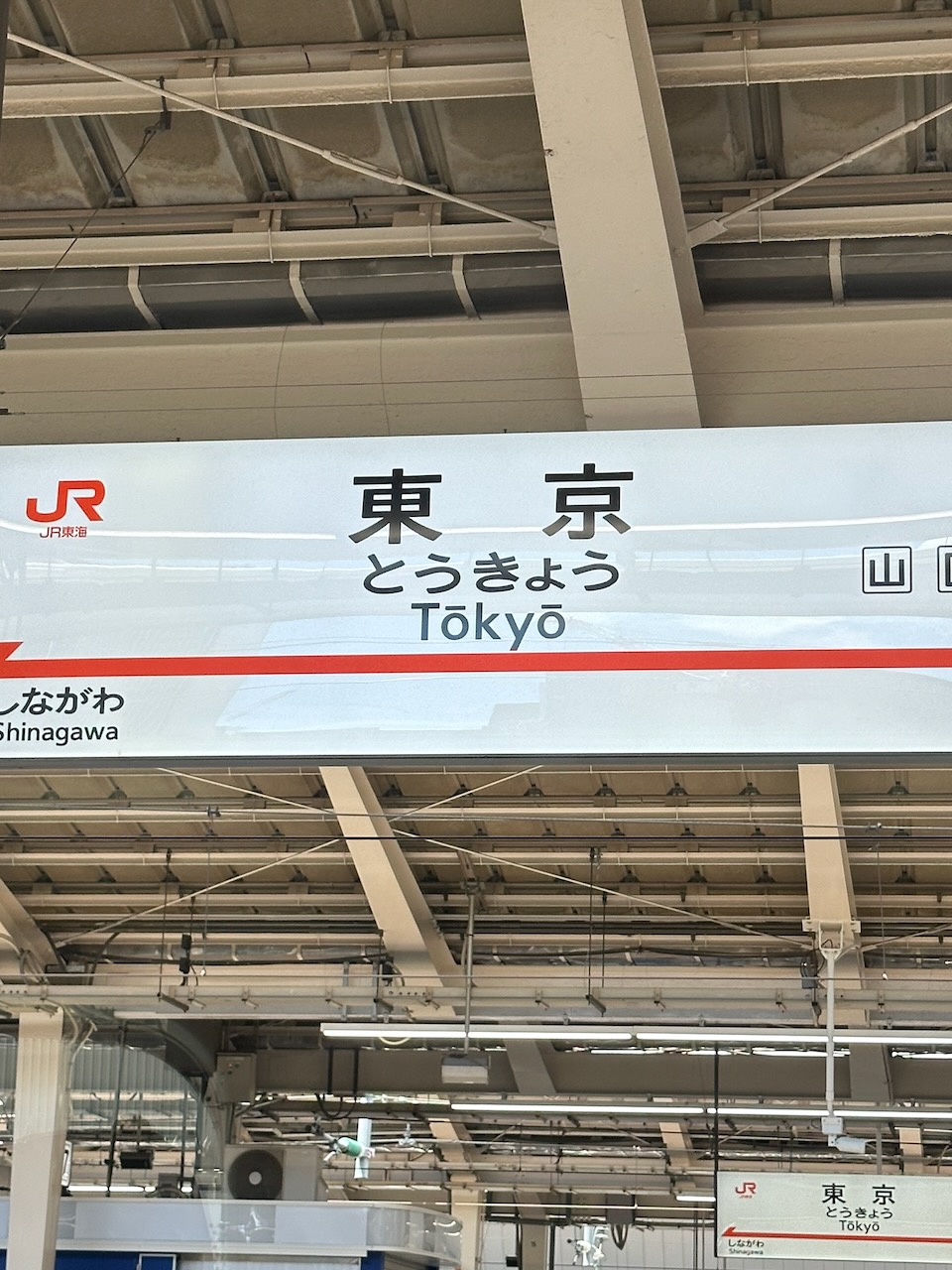
For our Tokyo-to-Kyoto route, we booked individual Shinkansen tickets through the official SmartEX service. Reserving in advance allowed us to choose our seats and take advantage of an early-booking fare.
When booking a bullet train:
  • Reserve seats if your family wants to sit together.
  • Check which side of the train may offer Mount Fuji views.
  • Allow time to find the correct platform and train car.
  • Pick up drinks and an ekiben, or train bento box, before boarding.
  • Review luggage requirements before choosing your seats.
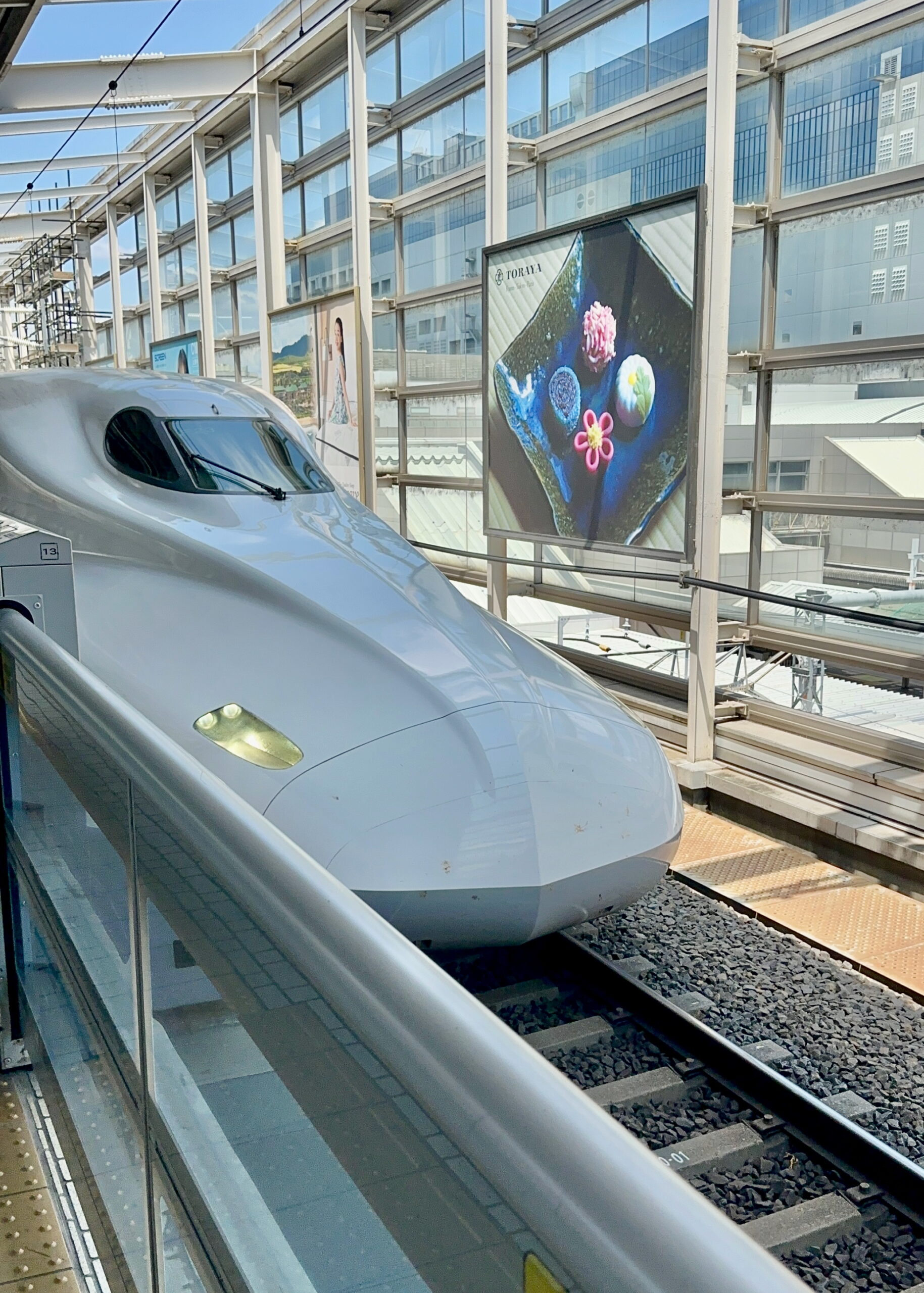
If a suitcase’s total dimensions are 160 centimeters or more, certain Shinkansen routes require a seat connected to an oversized-baggage area. Check the current rules when booking instead of discovering them while standing on the platform with your giant suitcase and a rapidly increasing heart rate.

7. Pack Light

Dragging large suitcases through a crowded train station is nobody’s idea of family bonding.
Although if you are inclined to take a large suitcase, Japan has excellent luggage-forwarding services, often called takkyubin or “hands-free travel.” These services can transport bags between airports, hotels, and other participating locations.
Many hotels can arrange the shipment from the front desk. Delivery is not always same-day, so keep medications, travel documents, electronics, and an overnight change of clothes with you.
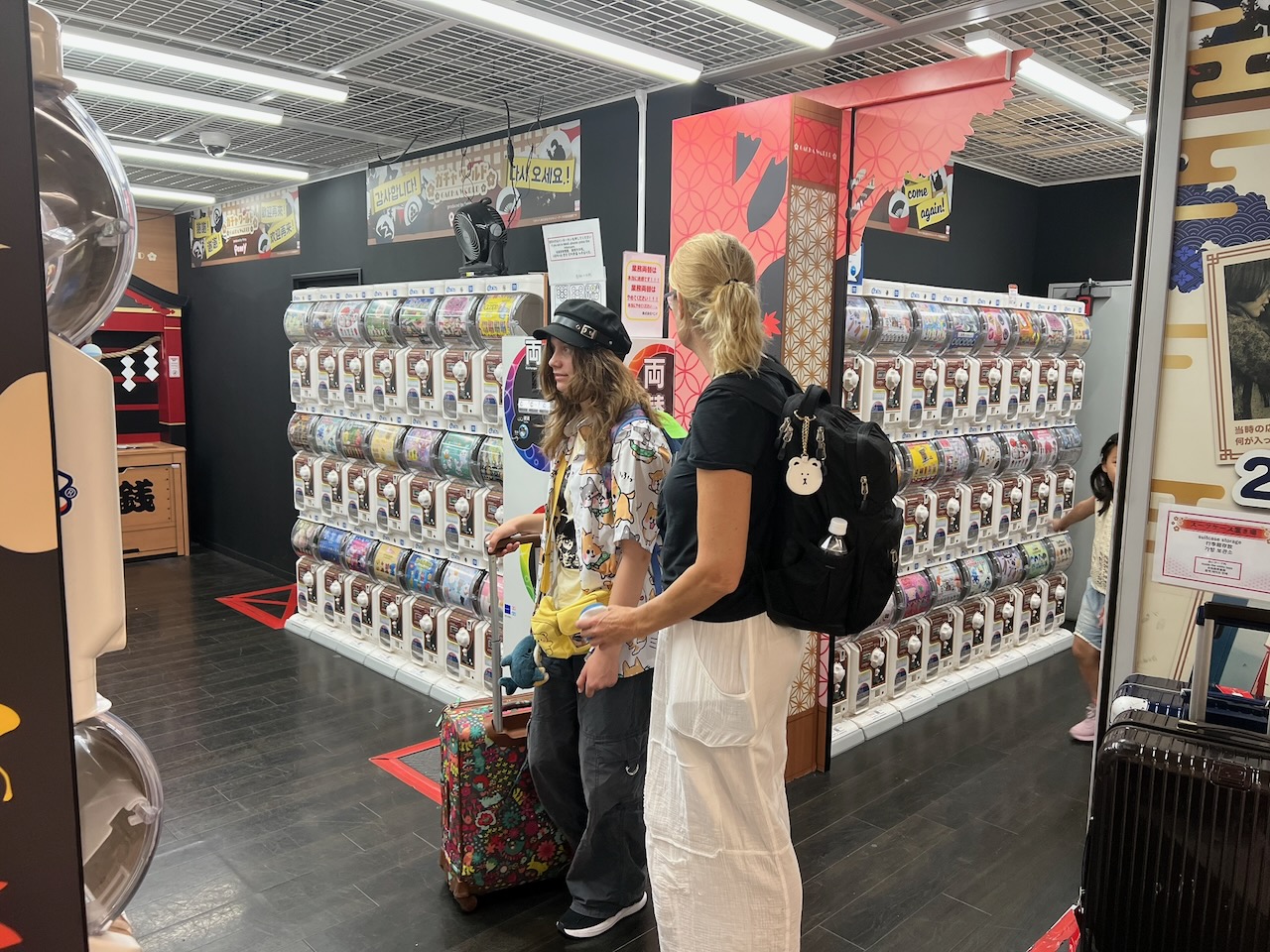
Even if you use luggage forwarding, packing light will make the entire trip easier. You’ll likely encounter stairs, busy platforms, compact hotel rooms, and trains with limited storage. Packing light will give you more space to shop. Believe me, you will want extra room in your suitcase for shopping. I packed an extra packable duffle bag in my suitcase, and it was full on our trip home.
A few packing strategies that helped us:
  • Choose hotels with laundry facilities.
  • Bring mix-and-match clothing.
  • Pack one small suitcase or carry-on per person when possible.
  • Leave room for souvenirs.
  • Use a foldable duffel for purchases on the trip home.
  • Wear your most comfortable walking shoes.

That last one is especially important.  You NEED good walking shoes.  We regularly walked between 20,000 and 30,000 steps per day. Japan is not the vacation for breaking in cute new shoes.

8. Set Up Your Essential Digital Tools Before Leaving Home

Your phone will be one of your most useful travel tools in Japan.
Google Maps became our constant companion. It helped us find train lines, departure times, station exits, walking routes, and even the best train car for easier transfers.
Before leaving home, consider setting up:
  • An international phone plan, eSIM, or pocket Wi-Fi
  • Google Maps
  • Google Translate with Japanese downloaded for offline use
  • Your airline and hotel apps
  • SmartEX if you plan to book eligible Shinkansen routes
  • Mobile Suica or another compatible transportation card
  • Screenshots and offline copies of important reservations
Travelers can also complete immigration and customs information through the official Visit Japan Web service before arrival. Save screenshots of each traveler’s code in case the airport Wi-Fi decides that your arrival day is the perfect time to become temperamental.

9. Give Each Traveler an IC Transportation Card

One of the smartest things we did was load Suica cards onto our phones.
First, what is an IC card? An IC card is a rechargeable, contactless smart card and is the primary way to pay for trains, subways, and buses, as well as for payments at convenience stores, vending machines, and coin lockers. IC cards such as Suica, PASMO, and ICOCA can be used on many trains, metros, and buses. You simply tap in when you enter and tap out when you leave. They can also be used at many vending machines, convenience stores, lockers, and other businesses.
A few things to know:
  • Each traveler generally needs their own card.
  • Mobile cards may not work with every phone.
  • Children’s physical cards may require identification and a visit to a staffed counter.
  • Some rural transportation and specialty routes may not accept IC cards.
  • IC cards do not replace separate reservations for most Shinkansen journeys.
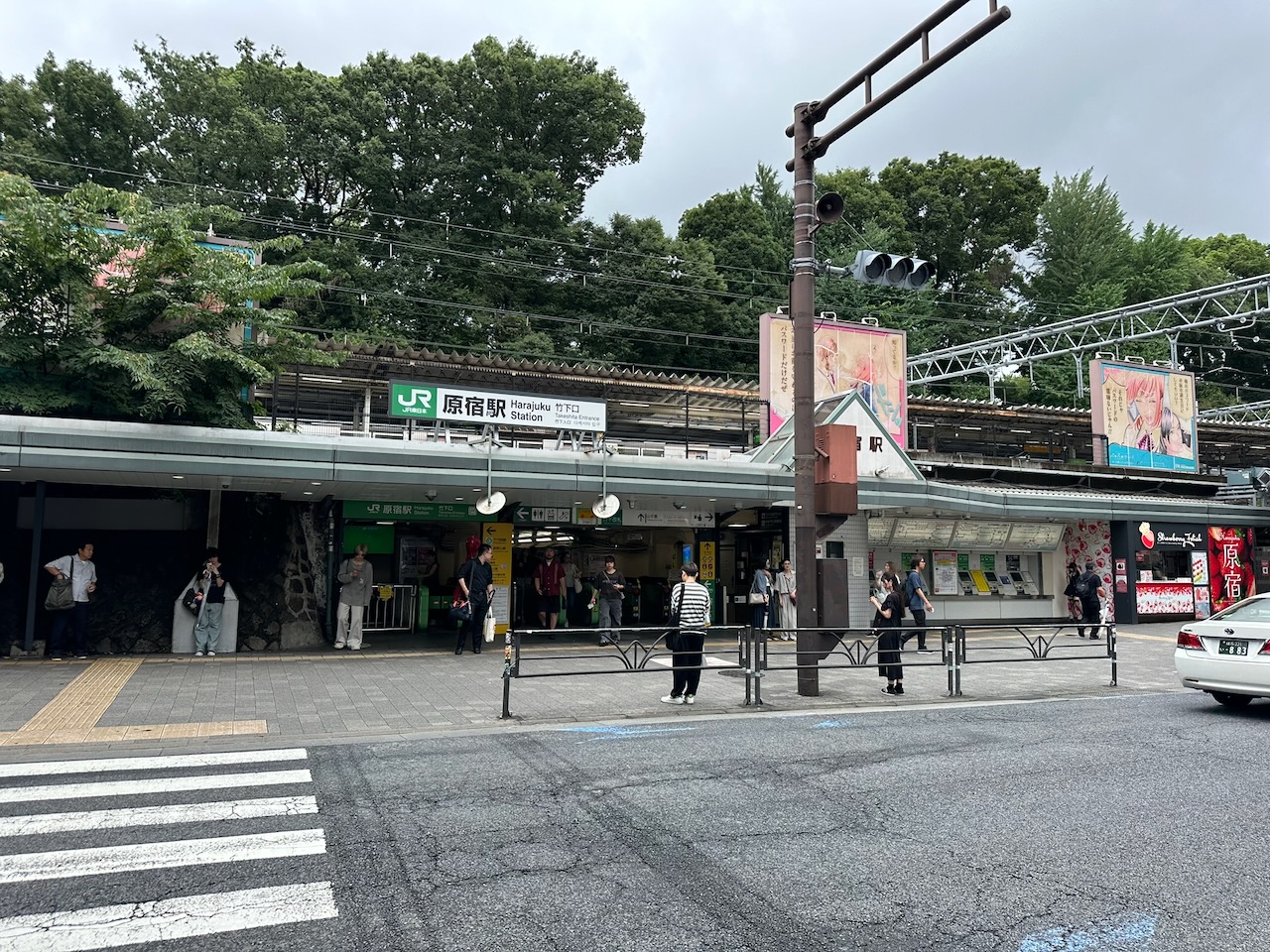
We found the metro especially easy to navigate in Tokyo. In Kyoto, buses are often more useful for reaching popular temples and neighborhoods, so be sure to compare both bus and rail options when checking directions.
Having an IC card doesn’t mean you’ll never get on the wrong train. It just makes recovering from that little family adventure considerably easier.

10. Leave Breathing Room in Your Japan Itinerary

The most important Japan travel tip I can share is also the hardest to follow: don’t schedule every minute.
There is so much to see that it’s easy to treat a Japan vacation like a competitive sport. But exhaustion, jet lag, summer heat, long lines, and general “temple fatigue” are real, especially for kids and teens.
By the end of our trip, our teenagers were officially templed out. Instead of forcing everyone through another attraction, we adjusted our plans. Those slower moments often became some of our favorites.
Build breathing room into your itinerary by:
  • Scheduling one major attraction per half-day
  • Grouping activities by neighborhood
  • Avoiding early mornings after late nights
  • Adding café, pool, or hotel breaks
  • Keeping at least one flexible block in each city
  • Letting every family member choose a priority experience
Japan rewards wandering. Some of our favorite memories came from convenience-store snack runs, unexpected shops, quiet neighborhood walks, and meals we hadn’t planned months in advance.
A good itinerary gives your trip direction. A great itinerary leaves enough space for the moments you never saw coming.

11. Use Google Maps

Google Maps was easily one of the most useful tools we used during our trip. We relied on it constantly, especially in Tokyo, and honestly, it was amazing.
Tokyo’s transportation system is incredibly efficient, but it’s also enormous. A single journey might involve multiple train lines, different operators, a station transfer, and one very specific exit that you definitely don’t want to miss. Google Maps walked us through each trip step by step and made the entire system feel much less intimidating.
It helped us find:
  • The best train or metro route
  • The correct station and train line
  • Departure times and platform numbers
  • How many stops we would travel
  • The correct direction of travel
  • Which train car to board for the easiest transfer
  • The best station exit for our destination
  • Walking directions after leaving the station
  • Alternative routes when we missed a train
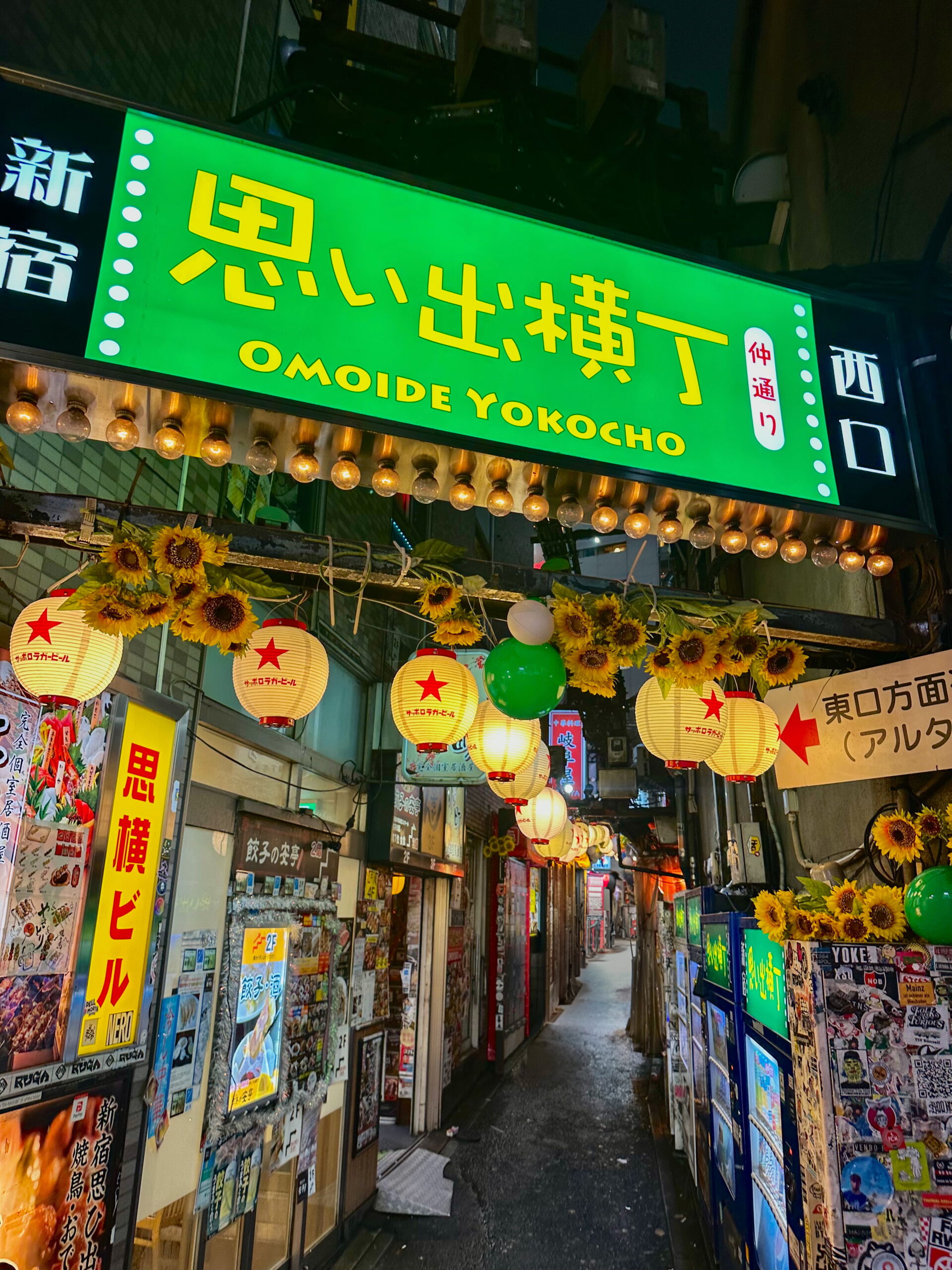
Pay close attention to the recommended station exit. Tokyo’s larger stations can have dozens of exits, and choosing the wrong one can leave you several blocks, or what feels like another zip code, away from where you’re trying to go.
Google Maps was also helpful in Kyoto, although we learned that buses are often more convenient than trains for reaching temples and historic neighborhoods. Be sure to compare the suggested bus and rail routes instead of automatically choosing the train.
We also saved our hotels, restaurants, and must-see attractions to a shared Google Maps list before the trip. This made it easy to see which places were near one another and helped us group activities by neighborhood.
Of course, even with Google Maps, we still occasionally boarded the wrong train or walked in the wrong direction. That was usually user error; Google tried its best.

12. Check Japan’s Medication Rules Before You Pack

This is one detail you definitely don’t want to leave until the night before your flight.
Japan has strict rules about bringing medications into the country, including some common prescription and over-the-counter drugs that may be legal at home. The rules depend on the medication’s active ingredients, classification, quantity, and whether it requires advance permission.
In general, travelers may bring up to a one-month supply of many prescription medications for personal use without applying for an Import Confirmation. Larger quantities may require a certificate obtained before leaving home. Different limits apply to nonprescription medications, injectable drugs, and medical devices.
Controlled medications are a separate matter. Some require permission from Japan’s Narcotics Control Department before travel, while others are prohibited entirely, even with a prescription. This can include certain medications used for ADHD, pain, anxiety, sleep, and other conditions.
Before packing any medication:
  • Look up the active ingredient, not just the brand name.
  • Check it against Japan’s current official medication guidance.
  • Confirm whether the quantity you’re carrying requires an import certificate.
  • Apply for any necessary permission well before departure.
  • Keep medication in its original labeled packaging.
  • Carry a copy of the prescription and a letter from your doctor explaining the medication and dosage.
  • Keep essential medication in your carry-on rather than checked luggage.
  • Don’t combine medication for multiple family members into one container.
  • Never mail controlled medication to Japan or ask someone else to carry it for you.
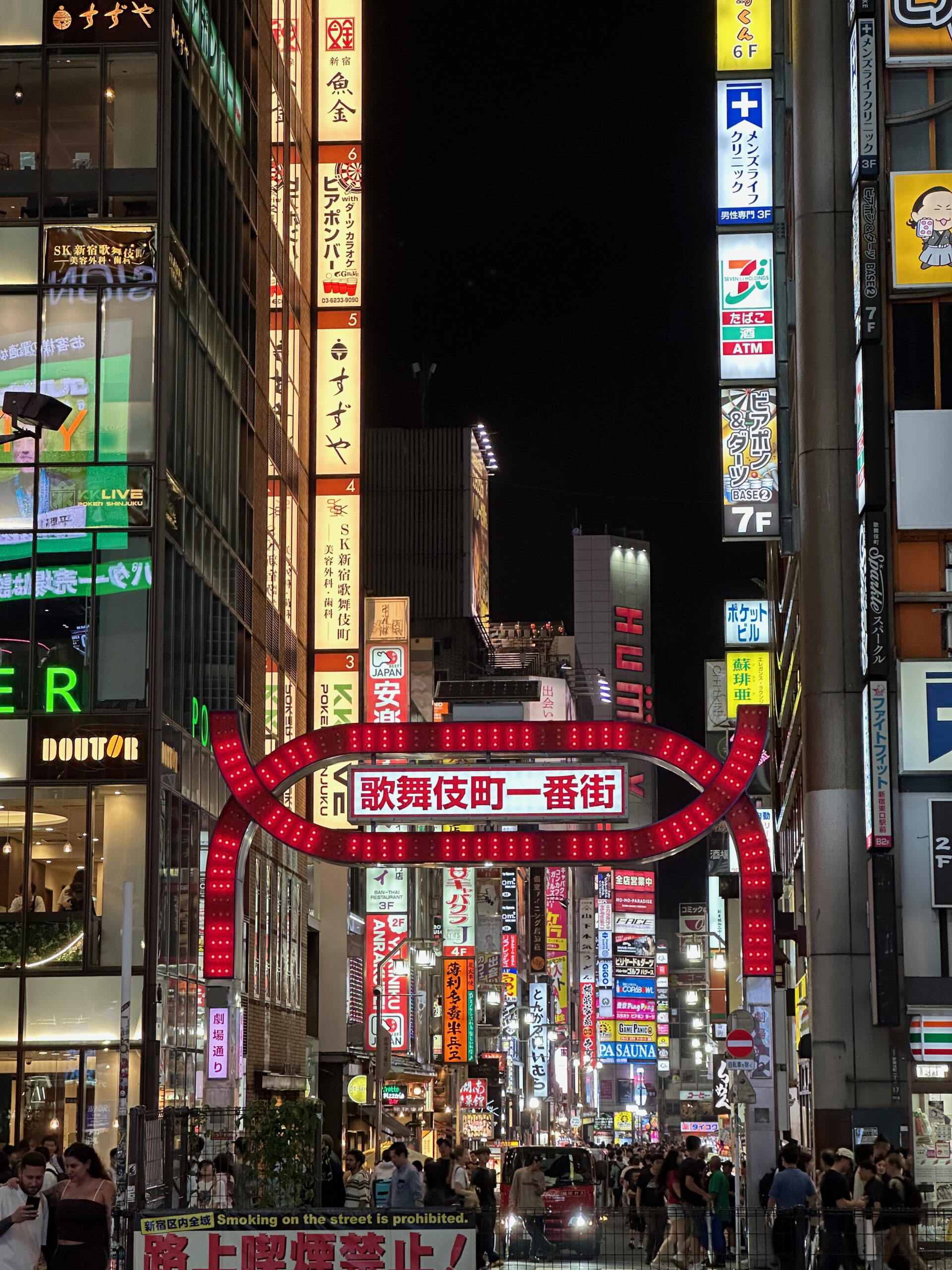
Japan’s Narcotics Control Department recommends applying at least 14 days before travel when advance permission is required, but I would start researching much earlier. Applications, supporting documents, and questions about specific ingredients can take time to resolve.
The rules can change, so make sure you check out Japan’s Verify every prescription and over-the-counter medication using the current guidance from Japan’s Ministry of Health, Labor and Welfare before departure.

Final Thoughts on Planning a Family Trip to Japan

Japan may seem intimidating to plan at first, but once the reservations are made and you understand the basics of transportation, it becomes one of the easiest and most rewarding destinations to explore as a family.
Book your family hotel rooms and must-do attractions early. Compare your transportation options instead of automatically buying a rail pass. Pack lighter than you think you need to. Wear good walking shoes.  Most importantly, accept that you will not see everything, and that’s perfectly okay.

Leave a Reply

This site uses Akismet to reduce spam. Learn how your comment data is processed.

Share
×